Return to All News & Resources
Adams County Hit-and-Run Kills Pedestrian: Your Legal Options
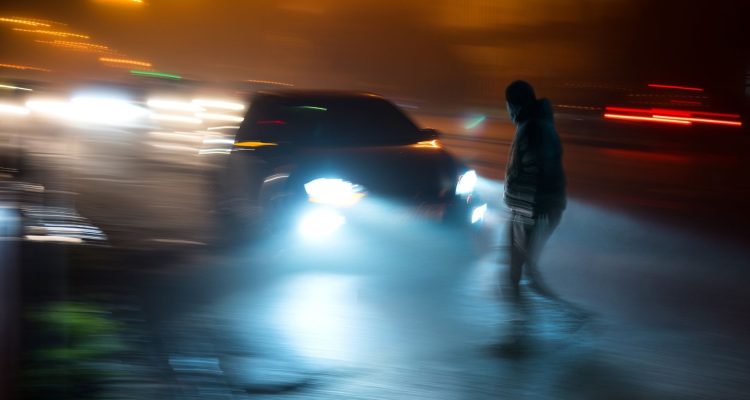
Around 9:15 p.m. on Monday, September 1, 2026, two men were crossing southbound Highway 287 on foot near West 66th Avenue in the Berkley area of Adams County when a ...
Keep Reading


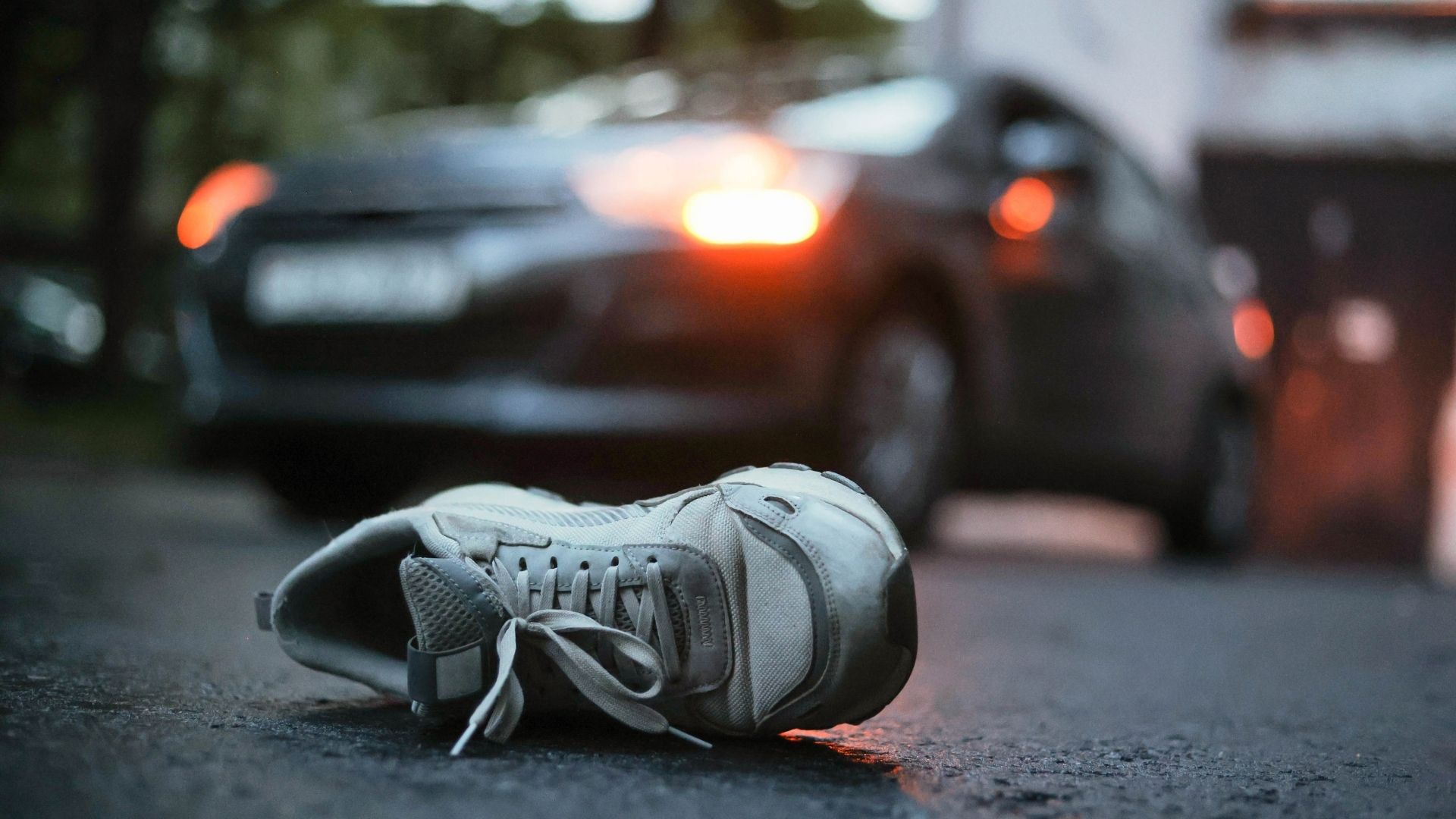
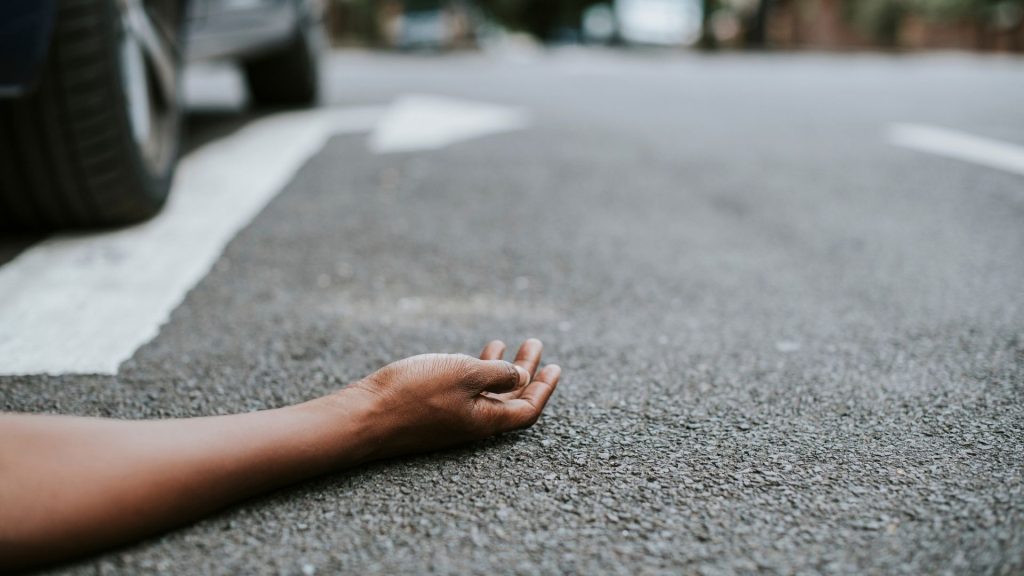
At 8:15 p.m. on Friday, September 26, 2026, Aurora Police responded to a vehicle versus pedestrian crash near the intersection of South Peoria Street and East Tennessee Avenue. A 35-year-old Aurora man was crossing Peoria Street mid-block, just south of Tennessee Avenue, when he was struck by a vehicle traveling southbound on Peoria. The impact threw him into the northbound lanes of traffic, where a second vehicle traveling north struck him. He was pronounced dead at the scene. Both drivers remained and are cooperating with investigators. The Arapahoe County Coroner’s Office will release the victim’s identity after notifying next of kin. (9NEWS, September 26, 2026; FOX31/KDVR, September 26, 2026)
The Aurora Police Department’s investigation is ongoing. No charges have been filed as of this writing.
The sequence of this crash — one vehicle sending a pedestrian into the path of a second vehicle — raises a legal question that is more complex than a standard pedestrian crash: when two drivers are involved in a single fatality, who owes the family compensation, and how much?
The initial strike by the southbound driver was the triggering event. That impact caused the victim to enter the northbound lanes — a consequence the southbound driver could reasonably have foreseen when striking a pedestrian at speed on a divided roadway. The northbound driver then struck the victim in a lane where the victim had no control over being.
From a liability standpoint, these are two distinct acts of harm, but they are connected. The southbound driver’s initial failure to avoid the pedestrian set the chain of events in motion. The northbound driver’s failure to avoid the pedestrian — now in the roadway through no fault of his own — is the second link in that chain.
Both drivers are potentially liable. The degree to which each shares responsibility depends on what the evidence shows about each driver’s opportunity to perceive and avoid the pedestrian, the speed of each vehicle, visibility conditions on Peoria Street at 8:15 p.m., and what reaction time each driver realistically had.
Colorado places an affirmative duty on all drivers to exercise care to avoid colliding with pedestrians. Under C.R.S. Section 42-4-703, a driver must exercise due care to avoid colliding with any pedestrian on or near a roadway. That duty applies regardless of whether the pedestrian is in a marked crosswalk.
Under C.R.S. Section 42-4-802, pedestrians crossing at a marked crosswalk or an intersection have the right of way over vehicles. The victim in Friday’s crash was crossing mid-block — not at a crosswalk or intersection. That location matters for the comparative fault analysis, but it does not eliminate the drivers’ duties or bar the family’s claim entirely.
The legal question for the northbound driver is distinct from the question for the southbound driver. The northbound driver encountered a pedestrian who was already in the roadway — a condition created by the first driver’s impact, not by the pedestrian’s initial decision to cross. Whether the northbound driver had adequate time and opportunity to perceive and avoid the victim after he was thrown into that lane is the key question for that driver’s fault share.
Colorado’s modified comparative negligence system under C.R.S. Section 13-21-111 allows fault to be divided among multiple parties. In a crash involving two drivers and a pedestrian, all three parties’ conduct is examined. The family of the victim can recover as long as the victim’s own fault does not exceed 50 percent.
The victim was crossing mid-block rather than at a designated crosswalk. That is a relevant factor — Colorado law does not prohibit mid-block crossing, but it does reduce a pedestrian’s legal protections compared to crossing at an intersection or marked crosswalk. The victim’s fault share will depend on the full circumstances: lighting, visibility, whether vehicles were approaching and visible, and whether the crossing location had any pedestrian infrastructure nearby.
But even if the victim bears some portion of fault for crossing mid-block, that portion must exceed 50 percent before the family loses the right to recover. Given that two vehicles struck him at speed on a busy Aurora arterial road at night, the drivers’ combined fault is likely to represent the larger share of what caused this death.
The fault apportionment between the two drivers is also significant. The southbound driver initiated the chain of events. The northbound driver may have had limited reaction time to a pedestrian who entered their lane through no prior indication. Those distinctions affect both the liability percentages and the insurance sources available to the family.
When two parties are both found liable for the same injury, Colorado law allows the injured party to pursue recovery from each defendant. The family does not have to choose between the two drivers. Each driver’s insurance is a potential source of compensation, and the total recovery can draw from both.
The practical significance of this is substantial. If one driver carries minimal insurance and the other carries adequate coverage, the family can pursue both simultaneously. If both drivers carry minimum coverage and the combined limits are insufficient, the victim’s own uninsured and underinsured motorist coverage — or that of a resident relative — provides an additional layer.
For the family of the 35-year-old man who was killed, Colorado’s wrongful death statute, C.R.S. Section 13-21-202, provides the right to seek compensation from any party whose negligence caused his death. The statute does not require a family to identify a single at-fault driver. Both drivers can be named as defendants, and the fault apportionment is determined through the legal process.
Recoverable damages under C.R.S. Section 13-21-203 include medical and emergency costs before death, funeral and burial expenses, lost financial support, and noneconomic damages including grief, loss of companionship, and emotional suffering.
The statute of limitations for a wrongful death claim in Colorado is two years from the date of death under C.R.S. Section 13-80-102. The evidence most critical to establishing the fault picture — dashcam footage, surveillance from nearby businesses, physical evidence at the scene — is most available right now.
Aurora Police are actively investigating. The critical evidence includes:
• Dashcam footage from either vehicle involved, which may capture both the victim’s position before impact and each driver’s reaction
• Surveillance footage from businesses along South Peoria Street near Tennessee Avenue, which may overwrite within 24 to 72 hours without a preservation demand
• Traffic camera footage from the City of Aurora’s infrastructure on Peoria Street
• Physical evidence at the scene — skid marks, debris patterns, and the final resting position of both vehicles — which reconstructs the sequence of events
• Event data recorder information from both vehicles, capturing speed and braking inputs before each impact
• Witness accounts from other drivers or pedestrians in the area at 8:15 p.m. Friday
• Lighting conditions on Peoria Street at the specific location, including whether street lighting was functional
The fact that both drivers cooperated is helpful — but cooperation does not resolve the question of what each driver’s duty required or whether they met it. That question is answered by the evidence.
Aurora Police have confirmed the crash, the death, and the preliminary sequence of events. No charges have been filed. No fault determination has been made. Both drivers are cooperating.
What the confirmed facts establish is that a 35-year-old man died after being struck by two vehicles on a busy Aurora street on a Friday night. His family deserves a thorough understanding of their legal rights — and that understanding is most complete when pursued early, before evidence disappears and insurance companies have had time to frame the narrative.
Bowman Law handles serious pedestrian accident cases and wrongful death claims throughout Aurora and across Colorado. Multi-driver pedestrian cases require careful navigation of comparative fault, joint liability, and all available insurance sources. We investigate early and pursue every avenue of accountability for the people we represent.
If your family lost someone in Friday’s crash on South Peoria Street, we are available for a confidential conversation at no charge and no obligation.
Call us at 720-863-6904 or visit coloradopersonalinjuryhelp.com whenever you are ready.

Owner and Managing Attorney
Jerry Bowman, J.D., M.A., Owner and managing attorney of Bowman Law LLC, takes his responsibility to the legal profession seriously and dedicates his time and effort to providing quality and competent legal representation to clients in Denver and throughout all of Colorado. He holds an MA in Political Science from Wayne State University and earned his law degree in two and a half years from Michigan State University College of Law.
Around 9:15 p.m. on Monday, September 1, 2026, two men were crossing southbound Highway 287 on foot near West 66th Avenue in the Berkley area of Adams County when a ...
Keep Reading
Source: CBS UPDATE — September 4, 2026 The Larimer County Coroner’s Office has identified the man killed in the August 29 Tour de Fat crash as Joshua Robert Douglass, 33, ...
Keep Reading
Source: AP Images Around 5 a.m. on Saturday, July 26, 2026, a vehicle stalled on Interstate 25 near the Auraria Parkway interchange in Denver. The driver or a passenger got ...
Keep Reading