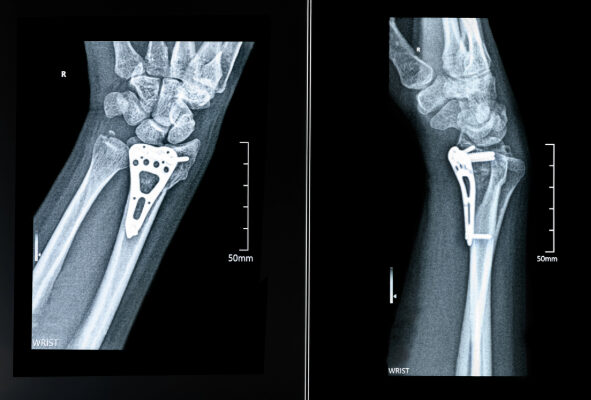
When is internal fixation surgery recommended after a car accident? Internal fixation surgery after a car accident becomes necessary when a fracture is severe enough that bones cannot heal without ...
Keep Reading 
When is cognitive rehabilitation recommended in personal injury cases? Cognitive rehabilitation is a structured therapeutic process designed to help individuals recover thinking skills, memory, concentration, problem-solving, and daily functioning after ...
Keep Reading
Why are nerve blocks used in personal injury cases? Nerve blocks are used to diagnose and treat moderate to severe pain caused by nerve irritation or nerve compression after trauma. ...
Keep Reading
Most people understand the importance of physical therapy after a car accident, but far fewer understand why a doctor would prescribe occupational therapy. You may be wondering how occupational therapy ...
Keep Reading
Why are injections used in personal injury cases? Injections in personal injury cases are prescribed to reduce inflammation, control pain, restore mobility and delay or prevent the need for surgery, ...
Keep Reading
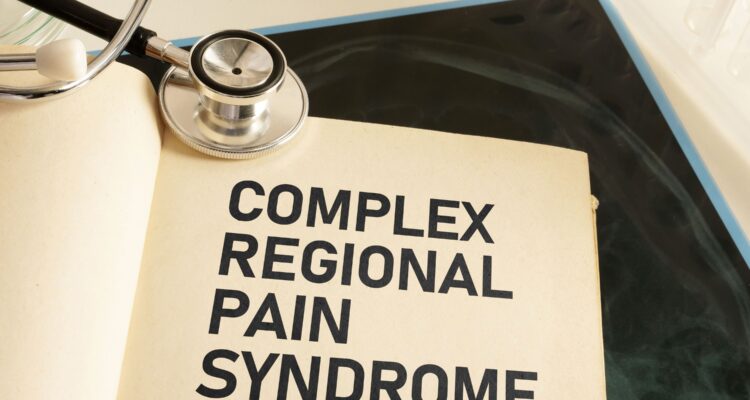
Complex regional pain syndrome is a chronic, often severe pain condition that can follow even a seemingly minor injury. In many cases, CRPS becomes a lasting disability affecting everyday life. ...
Keep Reading
What is permanent impairment in a personal injury case, and why does it matter? Permanent impairment refers to a lasting loss of physical or cognitive function that remains after a ...
Keep Reading
What are sacroiliac (SI) joint injections? SI joint injections are performed to diagnose and treat severe lower back, pelvic, or hip pain caused by injury to the sacroiliac joint. SI ...
Keep Reading
Why are epidural steroid injections used in personal injury cases? Epidural steroid injections (“ESIs”) are used when conservative treatments fail to relieve spinal or nerve pain. They serve as powerful ...
Keep Reading
What are trigger point injections? Trigger point injections are used to relieve chronic muscle pain and spasms that develop after trauma. They provide important evidence an injury is real, persistent, ...
Keep Reading