Most people understand the importance of physical therapy after a car accident, but far fewer understand why a doctor would prescribe occupational therapy. You may be wondering how occupational therapy is different from physical therapy in a personal injury case? Occupational therapy helps people relearn or adapt the tasks they need to do in everyday life and at work, while physical therapy focuses on restoring movement, strength, and physical function. Occupational therapy becomes critical when injuries interfere with self-care, home responsibilities, job duties, cognitive functioning, or long-term independence.
In personal injury cases, occupational therapy can be one of the clearest signs an injury has changed more than just range of motion or pain levels. It shows the accident affected the person’s ability to live and work the way they did before. That makes occupational therapy not only important for recovery, but also powerful evidence of functional loss, long-term impairment, and reduced quality of life.
How Physical Therapy and Occupational Therapy Differ
Physical therapy and occupational therapy often work side by side, but they are not the same.
Physical therapy focuses on:
Restoring strength, flexibility, and range of motion
Reducing pain and improving physical mechanics
Helping patients walk, climb stairs, lift, and move more normally
Occupational therapy focuses on:
Helping people perform activities of daily living (ADLs), such as bathing, dressing, grooming, toileting, eating and transferring
Improving instrumental activities of daily living (IADLs), such as cooking, cleaning, driving, managing money, childcare, and household tasks
Evaluating and adapting work tasks so a person can return to employment or find alternative ways to perform job duties
Addressing cognitive, visual, or perceptual issues that affect organization, memory, attention, problem-solving and safety
Recommending adaptive equipment and environmental modifications to improve independence
In short, physical therapists primarily treat how the body moves, while occupational therapists treat what the person needs and wants to do with that body in real life. In a personal injury context, that distinction is crucial.
When Is Occupational Therapy Warranted After an Accident?
Occupational therapy is appropriate when an injury affects daily function, not just raw strength or flexibility. After a car accident, occupational therapy becomes especially important when:
The person has difficulty caring for themselves (bathing, dressing, grooming, toileting).
They struggle with household responsibilities (meal prep, cleaning, laundry, childcare, shopping).
Their injuries interfere with job tasks, such as typing, lifting, standing, driving, or using tools.
Cognitive issues from a concussion or brain injury affect memory, attention, planning, or multi-tasking.
Pain, weakness or limited range of motion prevents them from safely and efficiently performing routine activities.
The person needs adaptive strategies or devices to function independently (grab bars, shower chairs, modified utensils, splints, ergonomic tools).
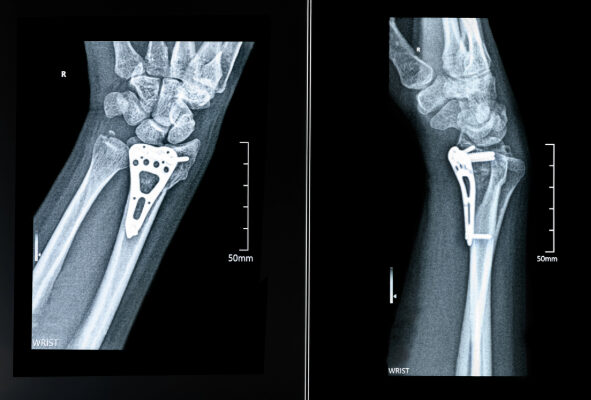
Occupational therapy is particularly common in cases involving traumatic brain injury, hand and wrist injuries, shoulder injuries, spinal cord injuries, complex regional pain syndrome (CRPS), amputations, and serious fractures. It bridges the gap between medical recovery and real-world living.
Occupational Therapy Complements Physical Therapy
In many personal injury cases, the best outcomes happen when physical therapy and occupational therapy are combined.
For example:
Physical therapy may work on restoring shoulder strength and range of motion.
Occupational therapy then focuses on the practical side: can the person reach overhead cabinets, dress themselves, lift their child, or perform job duties that require reaching and lifting?
Or:
Physical therapy helps a person regain balance and gait after a leg fracture.
Occupational therapy teaches them how to navigate stairs at home, manage the bathroom safely, prepare meals in the kitchen, and return to driving.
The two disciplines share information and support each other, but occupational therapy always brings the focus back to daily function, independence, and meaningful roles.
What Happens During Occupational Therapy?
Occupational therapy sessions are highly individualized. After a detailed evaluation, the therapist sets functional goals that reflect the patient’s real life. Treatment may include:
Practicing self-care tasks using safe body mechanics or adaptive tools.
Simulated or real-world work activities, such as keyboarding, lifting objects, using tools, or performing repetitive tasks in a modified way.
Training in energy conservation and pacing for clients with chronic pain or fatigue.
Cognitive exercises for memory, attention, organization, planning and problem-solving after brain injury.
Recommendations for home modifications (grab bars, railings, rearranged furniture, kitchen adaptations).
Splinting or bracing for hand, wrist or elbow injuries to protect joints and improve function.
Education on joint protection, pain management strategies and safe ergonomics.
In therapy records, you see not only pain scores and strength measurements, but also detailed descriptions of what the person can or cannot do in daily life. That information becomes incredibly valuable when you present damages.
How Occupational Therapy Supports a Personal Injury Claim
From a legal perspective, occupational therapy can be one of the most persuasive forms of documentation because it deals directly with everyday life.
Occupational therapy records can show:
The patient needed professional help to relearn or adapt basic self-care tasks.
Injuries made routine tasks like bathing, dressing, driving and cooking difficult or impossible without assistance.
The person’s ability to perform essential job functions changed, supporting claims for lost wages and loss of earning capacity.
Cognitive or fine-motor problems interfered with safe work performance or parenting.
Even after months of therapy, limitations remained, which supports arguments for permanent impairment and long-term damages.
When you need to explain to an adjuster, mediator or jury how an injury changed a client’s life, occupational therapy notes are often more relatable than diagnostic imaging alone. They translate injuries into concrete, daily consequences.
From a case-management standpoint, it may be time to consider occupational therapy when:
A client tells you they cannot keep up with personal hygiene, housework or childcare.
They report struggling to return to work or to perform their previous job duties.
They describe mental fog, forgetfulness or difficulty concentrating after a head injury.
They mention dropping objects, trouble with buttons, zippers, writing or keyboarding.
Physical therapy has helped strength and range of motion, but the client still cannot perform practical daily tasks without assistance.
The physician anticipates permanent restrictions and wants to maximize independence despite them.
In those situations, an occupational therapy evaluation can both improve the client’s quality of life and generate detailed evidence of functional loss.
Costs, Duration, and Drawbacks of Occupational Therapy
Like physical therapy, occupational therapy involves repeated sessions, often one to several times per week over weeks or months. Costs vary by provider and region, and may be billed through:
The main drawbacks are time commitment, possible travel challenges, and fatigue or frustration for clients dealing with chronic pain or cognitive issues. Some clients may resist OT at first because they do not understand it or feel embarrassed about needing help with basic tasks. Education is important: occupational therapy is not a sign of weakness, but a step toward reclaiming independence.
If a client stops OT prematurely or misses many appointments, insurers will argue that any ongoing limitations are voluntary or exaggerated. As with physical therapy, consistent attendance and honest reporting are crucial both for recovery and for the claim.
Occupational Therapy and Maximum Medical Improvement (MMI)
Occupational therapists play a key role in determining when a client has reached Maximum Medical Improvement from a functional standpoint. They can identify:
Which activities the client can resume without restriction.
Which tasks require permanent adaptations or assistance.
Whether the person can safely return to their old job or needs modifications.
Whether the client may need long-term equipment, home modifications or caregiver support.
This functional information feeds directly into impairment ratings, life-care planning, vocational assessments and calculations for future damages.
Why Occupational Therapy Matters in Personal Injury Cases
Injury cases are not just about MRIs, injections, or surgical reports. They are about how a real person’s life changed. Occupational therapy captures that change in a structured, professional way. It shows that:
The client’s injuries affected their independence, work, family roles and daily routines.
They needed targeted help to rebuild or adapt those abilities.
Some limitations may remain even after they have done everything possible to recover.
For settlement or trial, occupational therapy helps bridge the gap between medical diagnoses and human impact. It is one of the clearest ways to show a claims adjuster, judge or jury exactly what was taken away — and what it costs to adapt.
Contact Colorado’s Top Colorado Personal Injury Law Firm
If you or a loved one has been injured and needs occupational therapy after an accident, our attorneys understand the importance of treatment documentation, MMI timing and future medical needs. Occupational therapy in personal injury cases can make the difference between an undervalued settlement and full financial recovery. Contact our office today to discuss your case and protect your right to fair compensation. Our experienced legal team is ready to advocate for your health, your future and your recovery after an accident requiring occupational rehabilitation.
Jerry Bowman, J.D., M.A., Owner and managing attorney of Bowman Law LLC, takes his responsibility to the legal profession seriously and dedicates his time and effort to providing quality and competent legal representation to clients in Denver and throughout all of Colorado. He holds an MA in Political Science from Wayne State University and earned his law degree in two and a half years from Michigan State University College of Law.
After a serious car accident in Colorado, a personal injury victim typically follows a predictable insurance path. First, the victim pursues the at-fault driver’s bodily injury (“BI”) liability coverage. That ...
When is internal fixation surgery recommended after a car accident? Internal fixation surgery after a car accident becomes necessary when a fracture is severe enough that bones cannot heal without ...
When is cognitive rehabilitation recommended in personal injury cases? Cognitive rehabilitation is a structured therapeutic process designed to help individuals recover thinking skills, memory, concentration, problem-solving, and daily functioning after ...


 Return to All News & Resources