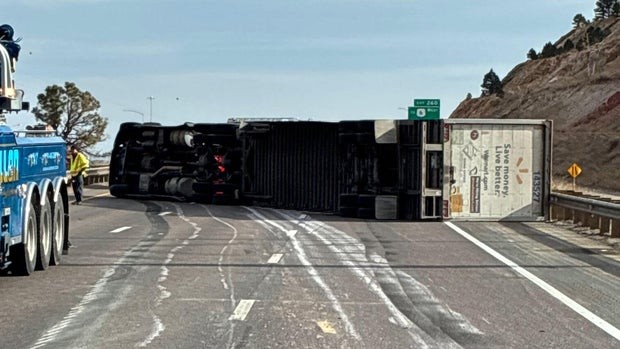
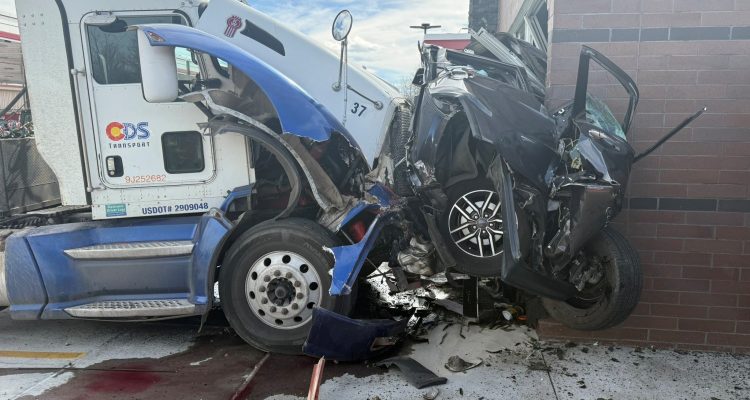
A Colorado truck accident is not governed by the same rules as an ordinary passenger vehicle collision. While Colorado applies general negligence principles to all motor vehicle crashes, collisions involving semi-trucks, tractor-trailers, and other commercial vehicles are subject to an additional layer of federal and state regulation that dramatically alters how liability is analyzed and proven.
Commercial trucking operations are regulated by both Colorado law and federal regulations enforced by the Federal Motor Carrier Safety Administration (“FMCSA”). These rules impose specific duties on trucking companies, drivers, vehicle owners, maintenance providers, and freight handlers. When a Colorado truck accident occurs, liability often extends well beyond the individual driver and may involve multiple corporate and third-party defendants.
Understanding this layered liability structure is essential for anyone injured in a Colorado truck accident, particularly because trucking companies begin protecting themselves immediately after a crash. The Colorado truck accident lawyers at Bowman Law prepared this article to help readers understand their rights following a crash.
Why Colorado Truck Accidents Are Legally Different
Unlike some states, Colorado follows a modified comparative negligence system that allows injured parties to recover damages so long as they are less than 50 percent at fault. If an injured person is found to be 50 percent or more responsible, recovery is barred entirely. In a Colorado truck accident, trucking insurers aggressively attempt to shift fault onto injured drivers, cyclists, or pedestrians to reach that threshold.
Colorado also allows a longer statute of limitations than some states, but timing still matters. Evidence in a Colorado truck accident can disappear within days if it is not properly preserved. Electronic data, driver logs, dash camera footage, and vehicle inspection records are often overwritten or destroyed as part of routine trucking operations unless legal action is taken immediately.
Because of these realities, mistakes made in the early days after a Colorado truck accident can significantly reduce the value of an otherwise strong claim.
The First 72 Hours After a Colorado Truck Accident
The period immediately following a Colorado truck accident is critical for both medical and legal reasons. Injuries in trucking collisions are often severe due to the size and weight disparity between commercial trucks and passenger vehicles, especially on Colorado highways, mountain passes, and construction corridors.
Key investigatory priorities after a Colorado truck accident include:
- Seeking medical care right away, even if symptoms appear mild or delayed
- Documenting the crash scene, roadway conditions, weather, traffic control devices, and truck markings
- Collecting witness information before trucking representatives arrive
- Avoiding statements that could be interpreted as accepting fault
- Preserving damaged property, clothing, and personal items connected to the crash
In many Colorado truck accident cases, trucking companies dispatch investigators within hours to control the narrative and gather evidence favorable to their defense. Acting quickly helps level that imbalance.
Building a Strong Colorado Truck Accident Claim
Resolving a Colorado truck accident claim requires more than submitting medical bills to an insurance company. These cases demand a detailed investigation into the trucking operation itself, including whether the company complied with federal safety rules, properly trained its drivers, and maintained its vehicles.
Critical evidence in a Colorado truck accident often includes electronic logging device data, driver qualification files, maintenance and inspection records, load manifests, and internal company communications. This information is rarely produced voluntarily and must be secured through formal legal channels.
A properly developed Colorado truck accident claim accounts not only for current medical expenses and lost wages, but also for long-term care needs, reduced earning capacity, permanent impairment, and the emotional toll of catastrophic injuries.
Mistake #1: Ignoring Truck Safety Technology
Modern commercial trucks operating in Colorado are often equipped with advanced driver assistance systems such as automatic emergency braking, lane departure warnings, lane keeping assist, and collision mitigation technology. In a Colorado truck accident, these systems can play a central role in determining liability.
Crashes have occurred when truck drivers disable safety features in construction zones, mountain passes, or adverse weather conditions common on Colorado roadways. In other cases, trucking companies fail to train drivers on when these systems should be activated or overridden.
A thorough Colorado truck accident investigation examines whether safety technology was operational, improperly disabled, malfunctioning, or ignored by the driver. This type of evidence can significantly strengthen a negligence claim against both the driver and the trucking company.
In a Colorado truck accident, misuse of safety technology raises questions beyond individual driver error. Trucking companies have a duty to implement appropriate safety policies, update training protocols, and ensure drivers understand how to use vehicle systems under real-world driving conditions.
Many trucking companies operating in Colorado fail to revise their safety programs to account for evolving technology. When outdated policies collide with complex driving environments, preventable accidents occur. These systemic failures often become a key liability component in a serious Colorado truck accident case.
Mistake #2: Underestimating Financial Losses
One of the most damaging mistakes injured victims make after a Colorado truck accident is undervaluing the true economic impact of their injuries. The financial consequences often extend far beyond emergency care and vehicle repairs.
A Colorado truck accident can lead to long-term rehabilitation, home modifications, specialized medical equipment, and ongoing therapy. Lost earning capacity is frequently overlooked, especially when injuries prevent advancement, limit physical ability, or force a career change.
Without a comprehensive damages analysis, many Colorado truck accident victims accept settlements that fail to cover their lifetime needs.
Serious injuries from a Colorado truck accident often require life care planning to accurately project future medical costs. This includes anticipated surgeries, medications, therapy, assistive devices, and long-term support services.
Insurance companies routinely minimize future damages in Colorado truck accident cases, particularly when injuries involve traumatic brain injury, spinal damage, or chronic pain. Proper documentation and expert analysis are essential to counter these tactics.
Mistake #3: Overlooking Delayed Injuries
After a Colorado truck accident, adrenaline and shock can mask serious injuries. Internal injuries, brain trauma, and spinal damage may not present symptoms until hours or days later.
When victims delay treatment, insurers often argue that injuries were not caused by the Colorado truck accident or were exaggerated. Secondary complications can also develop weeks or months after the crash, creating additional challenges if they are not properly documented.
Consistent medical follow-up is critical to protecting both health and legal rights after a Colorado truck accident.
Clear medical documentation linking injuries to a Colorado truck accident is essential. Always inform healthcare providers that injuries resulted from a commercial truck collision and describe the force and mechanics of the crash.
Maintaining a symptom journal, attending all appointments, and following treatment recommendations strengthens credibility and prevents insurers from exploiting gaps in care.
Mistake #4: Giving Recorded Statements Without Counsel
Providing recorded statements to insurance adjusters without legal guidance is a common and costly error in a Colorado truck accident case. Trucking insurers are trained to extract statements that reduce liability or shift fault.
Even casual remarks can be used to undermine a Colorado truck accident claim. There is no obligation to speak with a trucking company’s insurer, and communications should be handled strategically.
Mistake #5: Failing to Preserve Evidence
Evidence in a Colorado truck accident is often subject to strict retention limits. Driver logs, electronic data, and internal records may be destroyed within weeks unless preservation demands are issued.
Physical evidence disappears quickly as vehicles are repaired or scrapped and roadway conditions change. Witness memories fade, and surveillance footage is routinely overwritten.
Prompt legal action is essential to securing the evidence needed to prove fault in a Colorado truck accident.
Protecting Your Rights After a Colorado Truck Accident
A serious Colorado truck accident is not just another insurance claim. It is a complex legal matter involving federal regulations, corporate defendants, and high-stakes damages. Early mistakes can permanently weaken a case, while prompt action can preserve critical evidence and strengthen liability arguments.
Understanding these risks is the first step toward protecting your rights after a Colorado truck accident. Our client-first approach ensures your needs are at the forefront of everything we do. We pride ourselves on transparency, integrity, and clear communication, guiding you through each step of the legal process. From initial consultation to the resolution of your case, we will guide you through the process. Our goal is to alleviate the stress of legal proceedings so you can focus on your recovery. Bowman Law has a proven record of success.
If you or a loved one has been injured due to someone else’s negligence, do not face the challenges alone. Please send us a message or call us at 720-740-3423 to schedule a free case evaluation. Remember, you have one chance at attaining full and complete justice, and we are here to ensure you seize it.
Let Colorado’s top-rated Colorado truck accident attorneys fight for your rights, protect your interests, and deliver the justice you deserve. We serve clients across Colorado’s Front Range and beyond, including Denver, Colorado Springs, Boulder, Fort Collins, Westminster, Lakewood, and Aurora. Call us now and take the first step toward reclaiming your life.


 Return to All News & Resources