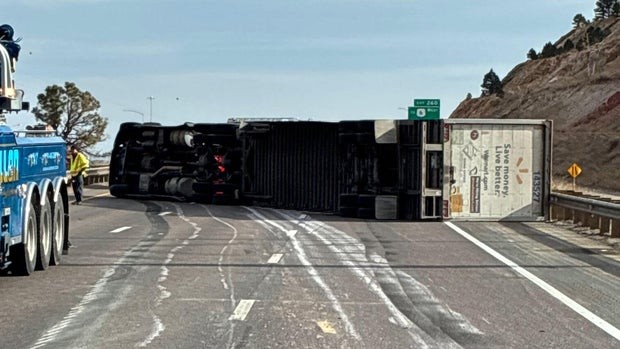
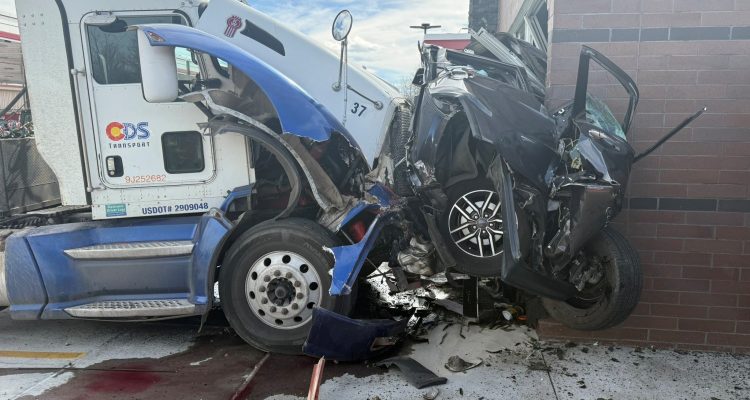
Not necessarily. Research consistently shows that age alone is not the best predictor of crash risk for commercial truck drivers. Instead, health, fatigue, training, workload, and regulatory compliance play a far more significant role in whether a truck driver is likely to be involved in a serious accident.
There is no federal maximum age limit for commercial truck drivers, and many older drivers operate safely for decades. However, the physical and cognitive demands of driving an 18-wheeler for long hours can become more challenging with age, particularly when combined with the demanding lifestyle of long-haul trucking. In Colorado, where drivers face mountain terrain, changing weather, construction zones, and long stretches of highway, these challenges can be amplified.
How Age Can Affect Commercial Truck Driving
As drivers age, certain medical and physical conditions become more common, and these can impact driving ability if not properly monitored. Age-related changes in vision, hearing, reaction time, and mobility may affect a driver’s ability to respond quickly to sudden hazards, changing traffic patterns, or emergency situations. Chronic conditions such as arthritis can limit a driver’s ability to maneuver safely, while cardiovascular or neurological events pose serious risks if they occur behind the wheel of a commercial vehicle.
Fatigue is another critical factor. Long-haul trucking schedules are physically demanding for drivers of any age, but older drivers may be more susceptible to sleep disruption, slower recovery from long shifts, and sleep-related conditions such as sleep apnea. Fatigue is already a leading cause of large truck crashes nationwide, and unmanaged health conditions can further increase that risk.
Driver Shortages and an Aging Workforce
The trucking industry continues to face a significant driver shortage, and fewer younger workers are entering the profession due to long hours, time away from home, and demanding schedules. As a result, trucking companies increasingly rely on older drivers, including retirees returning to the workforce or drivers working later into life.
This trend does not automatically make roadways less safe. Experience, maturity, and years of professional driving can be valuable safety assets. However, problems arise when trucking companies fail to properly evaluate medical fitness, provide ongoing training, or adjust schedules to account for physical limitations. Safety risks increase when older drivers are placed under unrealistic delivery pressures or are not adequately screened and monitored.
What the Data Suggests
Crash data does show that accident involvement can increase among older commercial drivers, particularly those over 65, but this increase closely correlates with health-related factors rather than age alone. Studies indicate that while younger drivers are more prone to risky behavior, older drivers are more vulnerable to crashes caused by delayed reaction time, fatigue, or medical events. In many analyses, crash risk among senior drivers remains lower than that of teenage drivers and comparable to other age groups when proper safeguards are in place.
The takeaway from available research is not that older truck drivers are inherently unsafe, but that age-related risks must be managed responsibly through medical screening, training, scheduling, and compliance with safety regulations.
Liability in Truck Accidents Involving Older Drivers
When a truck accident occurs in Colorado, liability does not hinge on the driver’s age. Instead, investigations focus on whether negligence played a role. If an older driver was medically unfit to operate a commercial vehicle, failed to comply with safety rules, or was pushed to drive despite health or fatigue concerns, responsibility may extend beyond the driver to the trucking company.
Trucking companies have a duty to ensure drivers are medically qualified, properly trained, and fit for duty. Allowing any driver, regardless of age, to operate a commercial truck without meeting safety requirements can expose the company to liability if an accident occurs.
The Bottom Line
Older truck drivers do not automatically cause more accidents. Experience often improves judgment and driving behavior, but unmanaged health conditions, fatigue, and industry pressures can increase crash risk if not properly addressed. In Colorado, where driving conditions can be demanding, safety depends on responsible hiring practices, ongoing medical oversight, realistic scheduling, and strict adherence to trucking regulations, not on age alone.
Understanding these factors helps explain why truck accident liability is complex and why accountability in trucking safety must focus on systems and practices rather than stereotypes about age. If you or a loved one has been injured due to someone else’s negligence, do not face the challenges alone. Please send us a message or call us at 720-740-3423 to schedule a free case evaluation. Remember, you have one chance at attaining full and complete justice, and we are here to ensure you seize it. Let Colorado’s top-rated personal injury lawyers fight for your rights, protect your interests, and deliver the justice you deserve. We serve clients across Colorado’s Front Range and beyond, including Denver, Colorado Springs, Boulder, Fort Collins, Westminster, Lakewood, and Aurora.


 Return to All News & Resources