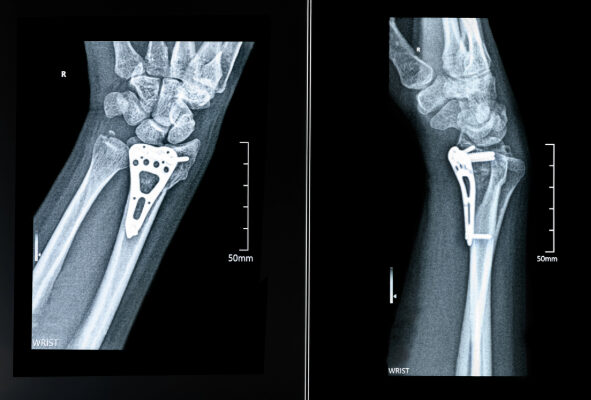
What is permanent impairment in a personal injury case, and why does it matter? Permanent impairment refers to a lasting loss of physical or cognitive function that remains after a person reaches maximum medical improvement, and it plays a critical role in determining the value of a personal injury case. Understanding permanent impairment is essential as it directly affects a victim’s ability to work, perform daily activities, enjoy life, and recover full financial compensation after an accident.
Permanent impairment goes far beyond temporary pain or short-term medical treatment. It represents a medical condition that will not fully heal and will continue to impact the individual for the rest of their life. Insurance companies aggressively fight impairment-based claims because permanent injuries significantly increase case value. Demonstrating permanency requires strong medical evidence, expert testimony, credible reporting, and an understanding of how impairment affects both functional limitations and future financial loss.
What Is Permanent Impairment?
Permanent impairment is a measurable, long-term loss of physical or mental functioning resulting from an injury. It may involve reduced range of motion, chronic pain, nerve damage, loss of mobility, traumatic brain injury, vision or hearing loss, spinal cord injury, or other permanent limitations that change the way a person lives and works. Unlike temporary injuries that heal completely, a permanent impairment stabilizes but never resolves entirely.
To qualify as permanent impairment in a personal injury case, the injury must remain after a patient reaches Maximum Medical Improvement (MMI), meaning a treating physician determines that no substantial further recovery is expected even with continued treatment.
The Importance of Maximum Medical Improvement (MMI)
MMI is a critical milestone in a personal injury case because it signals the point when doctors can evaluate what long-term effects will remain. Before MMI, it is impossible to accurately measure lasting loss. Once MMI is reached, physicians can determine whether an injury is permanent and assess the degree of impairment.
Reaching MMI does not mean that the person has fully recovered or is pain-free. It simply means that the injury has stabilized and additional treatment will not result in meaningful improvement. Many clients incorrectly assume treatment should stop once MMI is declared. In reality, it is the stage where future medical needs become clear and future medical cost analysis begins.
Do You Need an Impairment Rating?
Yes. In most permanent impairment claims, a medical impairment rating is necessary to objectively document permanency. Impairment ratings are typically calculated according to the American Medical Association (AMA) Guides to the Evaluation of Permanent Impairment, widely recognized in legal and medical settings. A licensed physician trained in impairment evaluation uses standardized measurements to assign a percentage that reflects how much permanent impairment the injury caused to the whole body or a specific body part.
For example, a 15% whole-person impairment rating means that an individual has permanently lost 15% of their overall physical functionality. While the number itself does not determine settlement value, it is a key component supporting damages such as loss of earning capacity and future medical care.
How to Obtain an Impairment Rating
Impairment ratings must be performed by qualified physicians such as orthopedic surgeons, neurologists, physiatrists, or other specialists trained to apply AMA methodology. Many treating physicians do not automatically perform impairment evaluations, so the patient—or their attorney—must request it.
An impairment rating should not be completed too early. If performed before MMI, the rating may underestimate the severity of permanent effects, weakening the personal injury claim. Experienced injury lawyers typically recommend impairment evaluations once treatment plateaus and long-term limitations are medically clear.
What Evidence Demonstrates Permanent Impairment?
Demonstrating permanent impairment requires more than describing pain or difficulty. Insurance companies demand objective medical proof. Key forms of evidence include:
- Physician impairment rating reports
- Diagnostic imaging such as MRI, CT scan, or X-ray results
- Functional capacity evaluations
- Surgical records and operative reports
- Specialist evaluations documenting long-term limitations
- Vocational assessments (impact on ability to work)
- Consistent symptom reporting over time
- Testimony from medical experts explaining how the impairment affects daily functioning
Personal testimony about daily struggles, lifestyle changes, and pain-related limitations also plays an important role. Jurors and adjusters must understand how the injury changed the person’s life, not just what the medical records state. This underscores the importance of a pain journal in personal injury law.
Examples of Permanent Impairments
Permanent impairment can arise from many types of accidents, including motor-vehicle collisions, trucking crashes, slip-and-fall injuries, workplace incidents, and traumatic brain injuries. Common examples include:
- Chronic nerve damage causing numbness, weakness, or neuropathic pain
- Traumatic brain injuries leading to cognitive dysfunction or memory loss
- Spinal injuries causing permanent mobility loss or paralysis
- Severe fractures requiring hardware or resulting in lasting instability
- Joint injuries requiring joint replacement surgery
- Complex Regional Pain Syndrome (CRPS)
- Amputations or limb deformities
- Loss of vision or hearing after trauma
- Herniated discs
- Pelvic or abdominal injuries affecting organ function
These forms of permanent impairment reshape a person’s life in fundamental ways. They limit hobbies, employment, household responsibilities, parenting activities, and independence.
Permanent Impairment Affects Settlement Value
Permanent impairment significantly increases the value of a personal injury case because it expands damages beyond short-term medical bills. When injuries never fully resolve, victims are entitled to compensation not only for past losses but for lifelong consequences.
Settlement damages associated with permanent impairment may include:
- Future medical treatment and lifetime care
- Loss of earning capacity and long-term wage loss
- Pain and suffering
- Emotional distress and loss of enjoyment of life
- Assistive equipment or in-home support
- Permanent disfigurement or physical deformity
Insurance companies frequently attempt to dispute impairment ratings or argue that limitations existed before the crash. This is why strong medical documentation is essential and early legal representation matters.
Permanent Impairment Affects the Ability to Work and Daily Life
Permanent impairment directly affects a person’s ability to return to their job or maintain the same level of productivity. Some individuals are forced to change careers or reduce hours. Others may be unable to work at all. Vocational experts often analyze how functional limitations impact earning capacity, required accommodations, and long-term financial loss.
Lifestyle consequences can be equally severe. Activities once taken for granted—lifting children, hiking, driving, concentrating, walking without pain, enjoying recreational activities—may no longer be possible. These changes affect emotional wellbeing and long-term quality of life, which must be addressed in settlement negotiations or trial.
Permanent Impairment Matters in a Personal Injury Case
Permanent impairment matters because it establishes the long-term human and financial impact of the injury. Without evidence of permanent impairment, insurance companies often minimize value and attempt to settle claims based only on past medical treatment. Demonstrating permanent impairment ensures that victims receive compensation that reflects lifelong consequences—not just temporary inconvenience.
If you believe you have suffered permanent impairment after a personal injury, our attorneys can help protect your rights and secure the full compensation you deserve. Permanent impairment is too important to navigate alone. Contact our office today to speak with experienced lawyers who understand how to prove permanency, support impairment rating evaluations, and fight for your long-term financial security. Our team is ready to help you move forward and rebuild your life after lasting injury.
You do not face the challenges alone. Please send us a message or call us at 720-466-5747 to schedule a free case evaluation. Remember, you have one chance at attaining full and complete justice, and we are here to ensure you seize it. Let Colorado’s top-rated Colorado truck accident lawyers fight for your rights, protect your interests, and deliver the justice you deserve. We serve clients across Colorado’s Front Range and beyond, including Denver, Colorado Springs, Boulder, Fort Collins, Westminster, Lakewood, and Aurora. Call us now and take the first step toward reclaiming your life.


 Return to All News & Resources