Source: Colorado Parks and Wildlife/Colorado Department of Transportation/ECO-Resolutions
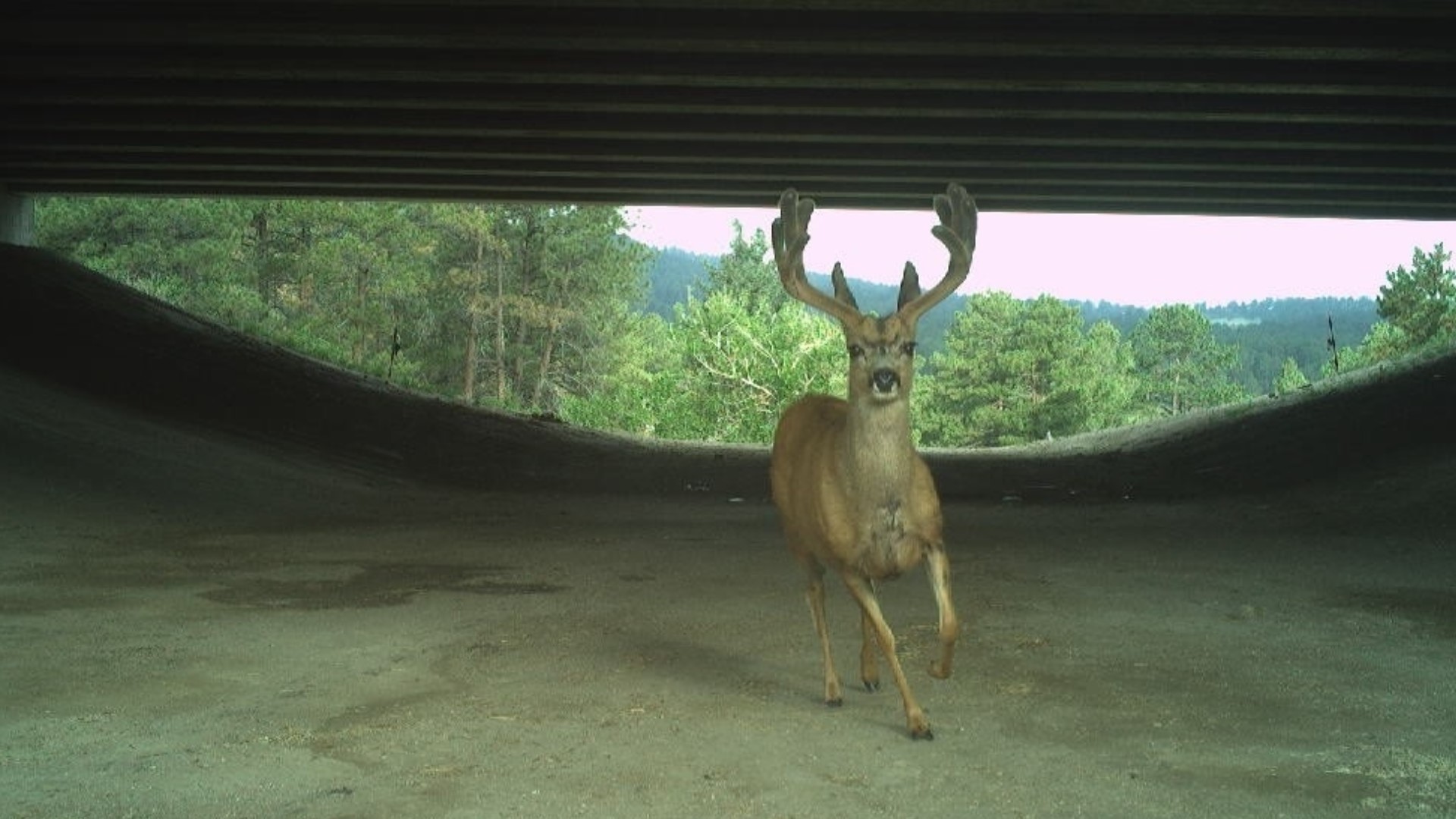
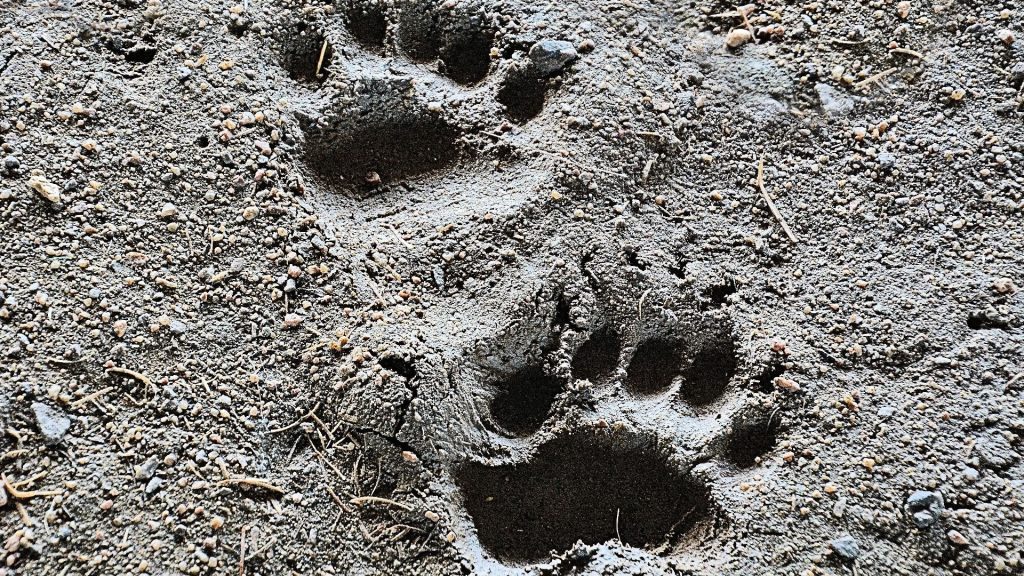
The camera footage is striking: elk, mule deer, black bears, coyotes, mountain lions, and bobcats moving quietly through a tunnel beneath one of the most dangerous stretches of Interstate 70 in Colorado. Two years after CDOT completed the Genesee wildlife underpass, 9NEWS reports the $10 million project is doing exactly what it was built to do.
For drivers, this is genuinely good news. And for anyone who has been in a vehicle-wildlife collision on a Colorado mountain highway, it is the kind of infrastructure investment that should have come sooner.
Why This Stretch of I-70 Was So Dangerous
The underpass sits on I-70 between the Lookout Mountain and Genesee exits in Jefferson County, roughly 20 miles west of Denver. According to CDOT, the I-70 Genesee location has the highest incidence of vehicle-wildlife collisions along I-70 east of the Eisenhower tunnel.
The danger is not hard to understand. The highway cuts directly through critical wildlife migration corridors. Elk herds move between seasonal ranges across the same terrain I-70 occupies. At dawn, dusk, and during overnight hours, animals cross the highway where they have crossed for generations, unaware of what 65-mile-per-hour traffic means.
According to CBS Colorado, CDOT tracks more than 5,000 vehicle-wildlife crashes every year statewide, and this area of Golden tracks some of the highest numbers. The driver who totaled her car outside Evergreen in 2019 after cresting a hill and hitting a herd of elk described what those encounters look like: “As the headlights went down, I could actually see an entire wall of elk.” There is often no time to stop.
Source: CPW, CDOT
What the Project Involved
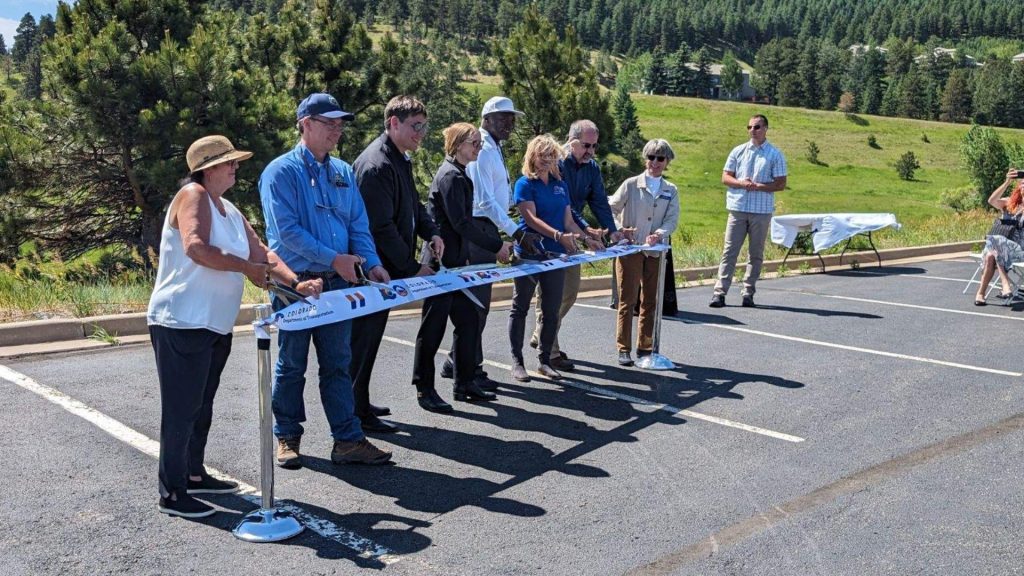
The underpass opened in June 2024 following a ribbon-cutting ceremony with CDOT and Colorado Parks and Wildlife. In addition to the tunnel itself, the project includes wildlife fencing and escape ramps spanning two miles along both directions of the interstate, from exit 254 at Genesee to exit 256 at Lookout Mountain, preventing animals from accessing the highway except through the designated crossing.
According to CBS Colorado, the total project cost $10.3 million and is the first of several Floyd Hill projects to be completed as part of a larger corridor improvement plan.
CDOT and Colorado Parks and Wildlife expected the crossing to provide better movement for elk, mule deer, black bears, coyotes, mountain lions, and bobcats as they move daily and between seasonal ranges. The recent camera footage showing all of those species using the underpass confirms the investment is paying off.
CDOT projected the underpass would reduce wildlife-vehicle collisions in the area by approximately 90 percent, according to 9NEWS.
What Vehicle-Wildlife Crashes Actually Cost
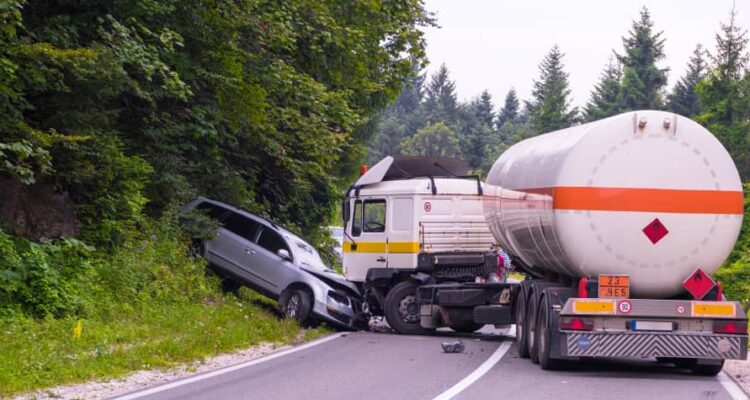
Vehicle-wildlife collisions are not minor fender-benders. At highway speeds on I-70’s mountain corridor, a collision with an elk, which can weigh 700 pounds or more, often totals the vehicle and produces serious injuries to occupants. Airbags deploy. Vehicles spin. Passengers who are not wearing seat belts are thrown. On a two-lane stretch with guardrails and steep drop-offs, the secondary collision, the car hitting the barrier or going off the road after impact with the animal, can be more severe than the initial strike.
These crashes are also notoriously difficult to handle from a liability standpoint. Unlike a collision caused by another driver’s negligence, a vehicle-wildlife crash typically involves no clear at-fault party. The animal is not insured. Your recovery usually depends on what coverages you carry on your own policy.
Collision coverage pays for damage to your vehicle from a collision with an animal, subject to your deductible. This is distinct from comprehensive coverage, which covers damage from hitting a stationary object or from weather. If you only carry liability coverage, a vehicle-wildlife crash leaves you paying for your own vehicle damage out of pocket.
Medical payments coverage (Med Pay) on your own policy covers medical expenses for you and your passengers regardless of fault, up to the policy limit. In a vehicle-wildlife crash, this is often the primary source of immediate compensation for medical bills.
Uninsured motorist coverage (UM) generally does not apply to vehicle-wildlife crashes under Colorado law, because the animal is not a driver. However, if another driver’s negligence contributed to the crash, for example a driver who forced you to swerve and strike an animal, that driver’s liability coverage and your own UM coverage may both be relevant.
Colorado’s statute of limitations for personal injury claims is generally three years under C.R.S. 13-80-101. If another driver’s negligence played any role in a vehicle-wildlife crash, that clock starts on the date of injury.
Source: Colorado Parks and Wildlife
The Broader Problem That Still Exists
The Genesee underpass is a significant step, but it addresses one location on one highway. According to Denver7, the Colorado Wildlife and Transportation Alliance identified eight high-risk areas for collisions with wildlife around the state, including Interstate 70 at Floyd Hill and Eagle, US 285 in Morrison, and Highway 93 between Golden and Boulder. Most of those locations remain without dedicated wildlife crossings.
Colorado has built over 100 structures to allow wildlife and aquatic movement, including pipe culverts, overpasses, concrete box culverts, underpasses, and bridges, according to Denver7. The state has become a national leader in this work. But thousands of vehicle-wildlife crashes still happen every year on Colorado roads where crossings do not exist, and the legal and financial consequences fall on drivers and their families.
If You Were Injured in a Vehicle-Wildlife Crash
The steps after a vehicle-wildlife crash matter for both your recovery and any insurance claim you need to file.
Report the crash to law enforcement. A police report establishes the official record of what happened, when, and where. Photograph your vehicle, the road conditions, and any visible evidence of the animal. Get medical attention even if you feel okay. Adrenaline masks pain, and the injury patterns from high-speed wildlife collisions include traumatic brain injuries and spinal trauma that may not present immediately.
Contact an attorney before settling any claim with your insurance company. Even first-party claims involve adjusters who are managing costs. Understanding what your policy actually covers, and whether another party’s negligence played any role, is worth a conversation before you accept a settlement.
Bowman Law, LLC handles car accidents and serious injury cases across Colorado’s Front Range, including crashes on I-70 and the mountain corridor. Contact us at 720-863-6904 or request a free consultation.
Cameron Sramek
Cameron joined Bowman Law in October of 2013 and has gained invaluable work experience as a paralegal for over a decade. Since this time, he has thoroughly enjoyed the challenging work that personal injury law presents. Although he now works as the firm’s COO, Cameron recognizes the many issues and troubles clients are faced after a personal injury.
Three Bowman Law attorneys have been recognized on the 2027 Colorado Super Lawyers lists, continuing a pattern of peer recognition that reflects what the firm has built over more than ...
Yes. A Colorado truck accident involves larger vehicles, stricter federal and state regulations, multiple potential defendants, and evidence that can disappear quickly, making both the injuries and the legal analysis ...
Do winter driving conditions on I-70 make ski traffic accidents unavoidable? No. Winter driving challenges in Colorado, particularly on I-70 during ski season, do not make accidents unavoidable and do ...


 Return to All News & Resources