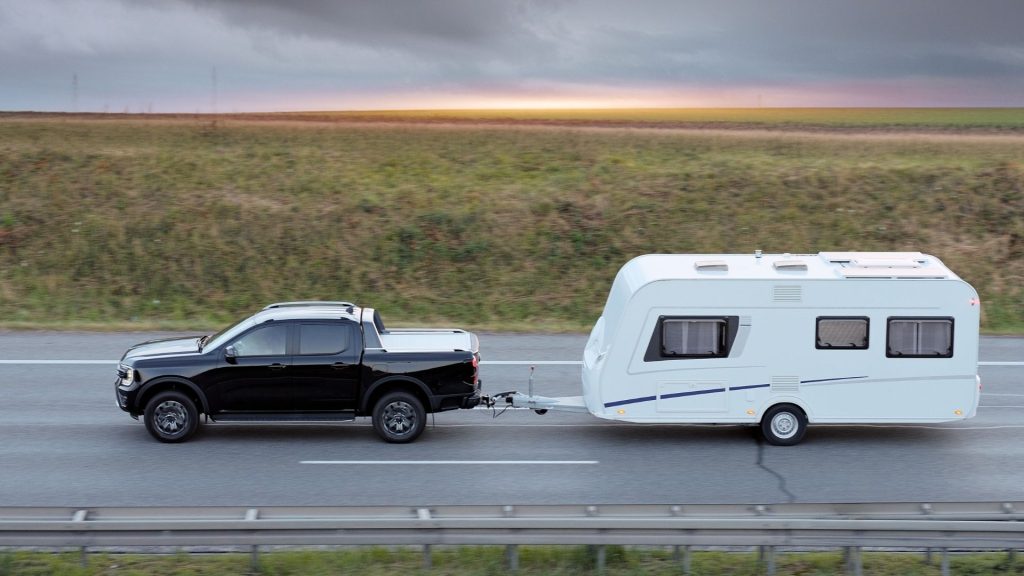
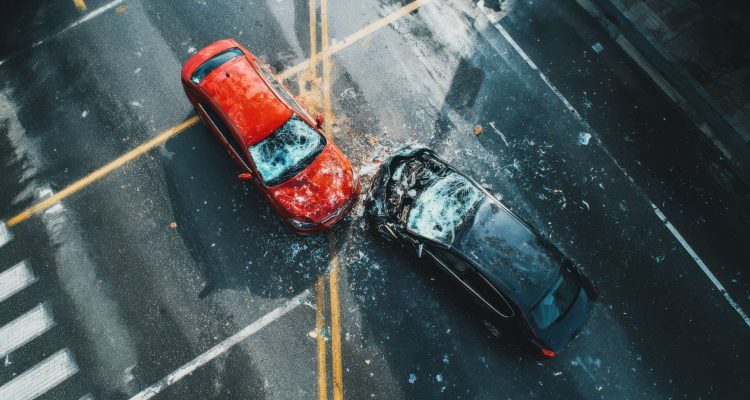
Around 6:30 on Wednesday evening, July 16, 2026, a Dodge Ram pickup truck pulling a trailer was heading eastbound on Colorado Highway 119 near milepost 34, just east of Nederland. The truck’s brakes failed. The trailer began rotating out of the eastbound lane and into the path of oncoming westbound traffic.
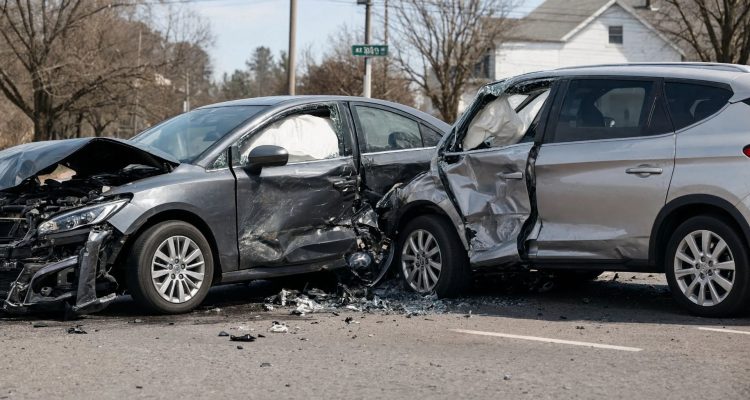
A Toyota Sienna and a Hyundai Ioniq, both heading west, had nowhere to go. The trailer struck both vehicles before the truck rolled over.
The Sienna was driven off the road into a pile of rocks and a mailbox. The Ioniq was pushed into a rock embankment. One person was killed. Another was hospitalized. Highway 119 was closed in both directions for hours. (FOX31/KDVR, July 16, 2026; Denver7, July 16, 2026)
The identities of those involved have not been released. The investigation is ongoing. Colorado State Patrol’s initial report identified brake failure as the cause.
Brake failure is not an act of God. It is a maintenance problem. And a maintenance problem that kills or seriously injures innocent people on a Colorado highway is a liability problem — one that the driver and anyone else responsible for that vehicle’s condition may have to answer for.
Why Brake Failure Is Almost Never an Accident
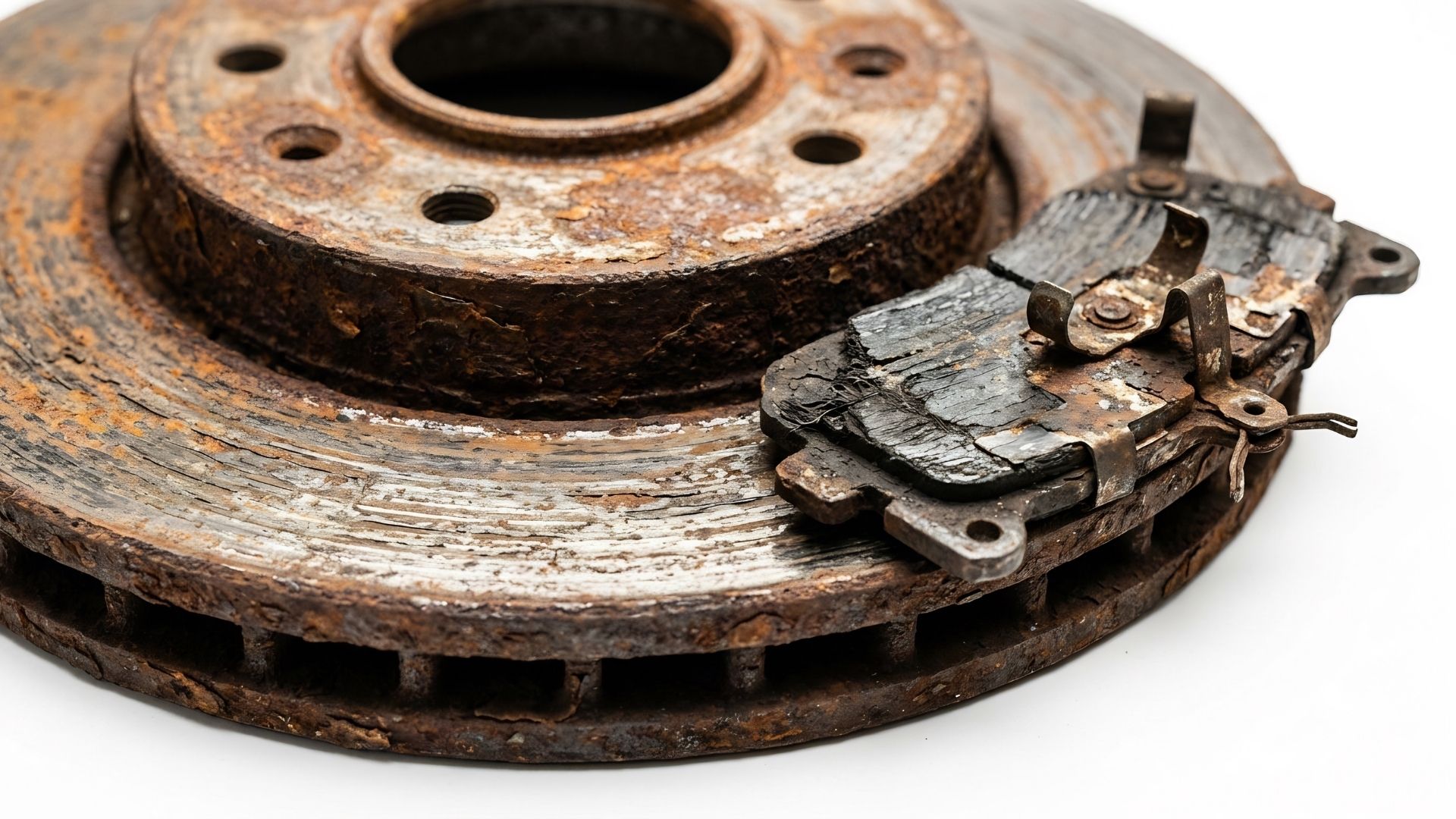
Brakes on any vehicle fail for reasons. The trailer’s rotation onto Highway 119 Wednesday evening did not happen without cause. Something caused those brakes to give out — and investigators, as well as any attorney representing the people who were hurt, will want to know exactly what that was.
The most common causes of brake failure on a pickup-trailer combination include worn or cracked brake components that were not replaced before reaching a critical point, improper adjustment of trailer brakes, failure of the trailer’s breakaway system, and overheating from improper brake use on a mountain descent. Colorado’s mountain highways, including Highway 119 between Nederland and Boulder, are well-known as routes requiring careful brake management on downhill grades.
Each of these failure modes has a responsible party. Worn components reflect maintenance history. Improper adjustment reflects either the driver’s pre-trip inspection or prior service work. Overheating on a descent reflects driver decision-making. In every case, the failure traces back to someone who had a duty to prevent it.
What Colorado Law Requires of Any Driver Towing a Trailer
Any driver operating a vehicle with a trailer on a Colorado public road has a legal obligation to ensure that vehicle is in safe operating condition before driving it. Under C.R.S. Section 42-4-202, no person may drive a vehicle on a highway unless it is in such condition as to not endanger the driver, other occupants, or any other person.
Colorado law also specifically addresses trailer brake requirements. Under C.R.S. Section 42-4-220, trailers above a certain weight threshold are required to have functioning brakes on all wheels. If the trailer involved in the Highway 119 crash met that weight threshold and its brakes were non-functional or improperly maintained, the driver was operating an unlawfully equipped vehicle — and that violation becomes direct evidence of negligence in a civil claim.
Beyond the specific statute, Colorado’s general negligence standard applies to every driver on every road: a person operating a vehicle owes a duty of reasonable care to others on the road. Driving a truck-trailer combination on a mountain highway with faulty brakes is not reasonable care. It is exactly the kind of conduct that creates liability when innocent people are hurt as a result.
The Driver’s Responsibility
Before any driver takes a truck-trailer combination onto the road, basic vehicle and trailer inspection is part of the job. That means checking trailer brake function and adjustment, ensuring the trailer’s breakaway cable is connected and operational, and confirming that the combination can safely stop under the conditions it will face.
On a route like Highway 119, those conditions include steep mountain descents where brakes bear heavy loads. A driver who inspects their equipment before heading into that terrain and finds it roadworthy — or who fails to inspect and misses a deficiency — owns the consequences of that decision when the brakes give out in oncoming traffic.
Investigators will be examining the driver’s actions both before the crash and in the moments leading up to it. Was the driver using proper downhill technique, such as engine braking in lower gears, to reduce brake load? Was there any warning — brake fade, unusual sounds, reduced stopping response — that the driver ignored or failed to recognize? These questions bear directly on the liability picture.
Investigators will also look at whether alcohol or drugs were a contributing factor alongside the brake failure itself.
Product Liability: What If the Brakes Were Defective?
Not every brake failure is a maintenance failure. In some cases, a brake component fails because it was defectively manufactured or improperly designed — a defect that no amount of routine maintenance would have caught. When that happens, the manufacturer of the defective component may bear liability alongside the vehicle owner.
Product liability claims in vehicle brake failure cases are factually intensive. They require inspection and analysis of the failed components by qualified experts who can distinguish between a manufacturing defect, a design defect, and a maintenance failure. If the investigation into the Highway 119 crash reveals that a brake component failed in a way inconsistent with normal wear, that line of inquiry becomes critical.
For the families of people killed or seriously injured in a brake failure crash, preserving the vehicle and trailer intact — before any repair, disposal, or insurance-driven salvage — is one of the most important steps in keeping the product liability door open.
The Innocent Westbound Drivers Had No Warning
The drivers and occupants of the Toyota Sienna and the Hyundai Ioniq were westbound on their correct side of Highway 119. They had no reason to expect a trailer to rotate into their lane. They had no ability to cause this crash. They had no meaningful ability to avoid it.
Under C.R.S. Section 13-21-111, Colorado’s modified comparative negligence framework, a party’s recovery is reduced in proportion to their share of fault. The westbound drivers in this crash bear no discernible fault for what happened. Their claims are not subject to reduction. The entire liability question sits on the other side of the center line — with the truck, the trailer, and whoever was responsible for making sure both were safe to operate.
What the Investigation Will Examine
Colorado State Patrol’s crash reconstruction team is leading the investigation. On the civil side, the evidence most critical to a liability case includes:
• Physical inspection of the brake components on both the truck and the trailer to identify the specific failure mode — wear, adjustment, defect, or heat damage
• The maintenance history of the truck and trailer, including the date of the most recent brake service and any prior brake-related repairs
• The driver’s pre-trip inspection records for July 16, 2026, and whether any concerns were noted
• Event data recorder information from the truck, capturing speed and braking behavior in the moments before the trailer lost control
• Whether the driver was using proper downhill technique on the Highway 119 descent in the period before the crash
• Witness accounts from other drivers on Highway 119 who may have observed the truck’s behavior before the trailer rotated
• The condition and weight of any load being hauled by the trailer, which affects braking demands
• Whether the trailer’s breakaway system — designed to automatically apply trailer brakes if the trailer separates — was present and functional
The truck and trailer need to be preserved in their post-crash condition, before any repair or disposal, to allow for independent expert inspection. That preservation is one of the first actions a civil attorney takes in a case like this.
Wrongful Death Rights for the Family of the Person Who Was Killed
For the family of the person who died on Highway 119 Wednesday evening, Colorado’s wrongful death statute, C.R.S. Section 13-21-202, provides the right to pursue compensation for the full range of losses caused by that death. Those losses can include medical and emergency response costs before death, funeral and burial expenses, the income and financial support the deceased would have provided, and the grief, loss of companionship, and emotional suffering the family now carries.
The statute of limitations for a wrongful death claim in Colorado is two years from the date of death, under C.R.S. Section 13-80-102. In brake failure cases involving vehicle and trailer inspection questions, the evidence needed to establish liability is most available now — before vehicles are repaired, components are replaced, and records become harder to obtain.
A Note on This Ongoing Investigation
Colorado State Patrol has confirmed the brake failure as the initial reported cause but has not released identities or further details. This blog does not speculate about the specific fault picture in this crash. That picture will depend on what the physical evidence and investigation reveal about the condition of the brakes, the driver’s conduct, and the maintenance history of the vehicle and trailer.
What the documented facts make clear is that two families of innocent westbound drivers deserve a thorough investigation into why those brakes failed — and who is accountable for it.
If You Were Injured in This Crash, or if You Lost Someone
Bowman Law handles serious motor vehicle accident cases and wrongful death claims throughout Denver and across Colorado. Vehicle and trailer brake failure cases require early investigation — into the physical evidence, the maintenance records, and the full circumstances of how the crash occurred. We know how to pursue that investigation and how to hold responsible parties accountable.
If you or a family member was in one of the vehicles struck on Highway 119 on Wednesday evening, the time to act is now. Evidence is being gathered. The vehicles need to be preserved. Your rights deserve the same attention.
Call us at 720-863-6904 or visit coloradopersonalinjuryhelp.com for a free and confidential consultation. There is no charge and no obligation. is no charge and no obligation.
Jerry Bowman
Owner and Managing Attorney
Jerry Bowman, J.D., M.A., Owner and managing attorney of Bowman Law LLC, takes his responsibility to the legal profession seriously and dedicates his time and effort to providing quality and competent legal representation to clients in Denver and throughout all of Colorado. He holds an MA in Political Science from Wayne State University and earned his law degree in two and a half years from Michigan State University College of Law.
On Wednesday, September 30, 2026, an 81-year-old man driving a Ford Escape westbound on Highway 34 in Greeley was struck broadside by a GMC 2500 driven by 32-year-old Santos Garcia-Juarez. ...
Around 11 p.m. on Saturday, September 26, 2026, a Weld County Sheriff’s deputy attempted to pull over a suspected drunk driver at 18th Street and Highway 85 in Greeley. The ...
Just before 12:30 p.m. on Saturday, September 12, 2026, Colorado State Patrol responded to a head-on crash on Weld County Road 100, east of Wellington. A 37-year-old woman from Fort ...


 Return to All News & Resources