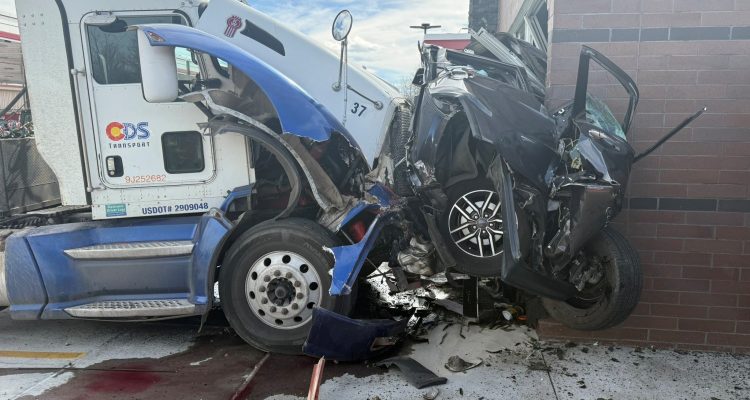
Losing someone you love to the negligent actions is about the worst thing any of us can even imagine. In the weeks that follow, questions about unpaid medical bills, unfinished business, and what to do next only add to the stress of an already overwhelming time. One of the questions that may come up in the aftermath involves the estate’s right to pursue legal claims your loved one would have had if they survived their accident.
A survival action in Colorado gives the estate the ability to file claims your loved one had at the time of their death. It is filed by the personal representative of the estate and addresses the financial losses your loved one experienced before they passed away.
In this article, Bowman Law explains how survival actions function in Colorado, what compensation may be available, how they differ from wrongful death claims, and how these cases may move forward together after a fatal incident.
Colorado’s Framework for Survival Actions
A survival action is a continuation of the decedent’s personal injury claim. Colorado’s survival statute, Colorado Revised Statutes § 13-20-101, permits the estate to carry forward the portion of the claim that legally “survives” the individual.
Only the personal representative of the estate has the authority to file the case. Because the claim belongs to the estate, any financial recovery later moves through probate and is distributed according to the will or Colorado intestacy law.
A survival action is not a substitute for a wrongful death claim. Instead, it focuses on the decedent’s own losses in the period between the injury and death. In contrast, a wrongful death case compensates family members for the harm they experienced after the loss.
Damages Available in a CO Survival Action
The estate may seek pre-death economic losses, which may include:
- Medical bills associated with the final injury
- Income lost between the injury and death
- Property damage
- Other financial losses the decedent personally incurred
These damages reflect the decedent’s direct, measurable economic harm.
Punitive damages may be available in rare situations, but generally only when the decedent filed the lawsuit before passing away.
Damages That Are Not Recoverable
Colorado law places strict limits on survival actions. The estate may not recover:
- The decedent’s pain and suffering
- Emotional distress
- Loss of enjoyment of life
- Future earnings
- Grief or sorrow experienced by surviving family members
- Loss of companionship or guidance
These losses fall within wrongful death claims, not survival actions.
Comparing Colorado Survival Actions and Wrongful Death Claims
Although both claims arise from the same incident, they address different harms and benefit different parties.
Survival Action
- Filed by: the estate’s personal representative
- Damages: economic losses occurring before death
- Recovery distributed: through the estate
- Purpose: completes the decedent’s personal injury claim
Wrongful Death Claim
- Filed by: eligible surviving family members
- Damages: losses suffered by survivors, including grief, emotional harm, lost support, and loss of companionship
- Recovery distributed: to statutory beneficiaries
- Purpose: compensates family members for the impact of the death
Both claims may be filed together. Doing so can provide a more complete picture of the damage caused by the wrongful conduct.
If you have questions about this process, a Colorado wrongful death attorney at Bowman Law can provide guidance on which claims apply to your specific situation.
Who Has the Authority to File a Survival Action in Colorado?
Only the personal representative — sometimes referred to as the executor — may file a survival action in Colorado. This person may be named in the will or appointed by the court if no one has been designated. If no probate case exists yet, the court will typically appoint a personal representative before the survival action can proceed.
Where Colorado Survival Actions Are Filed and Relevant Deadlines
Survival actions are filed in Colorado civil courts with jurisdiction over the underlying injury claim. Venue commonly depends on where the incident occurred or where the defendant lives or operates.
The statute of limitations is the same deadline that would have applied to the decedent’s original personal injury case. In many cases, this means:
- Two years for general negligence claims
- Three years for motor-vehicle-related incidents
Other categories — including medical malpractice, premises liability, and cases involving government agencies — have different timelines because Colorado applies separate statutes of limitations to different types of injury claims. These rules acknowledge the distinct procedures and proof required in each area of law, which means the correct deadline depends on the specifics of your loved one’s original claim.
How Survival Actions and Wrongful Death Claims Work Together
In many cases, survival actions and wrongful death claims move forward simultaneously. Each addresses a different part of the loss:
- The survival action documents pre-death financial harm.
- The wrongful death claim reflects the profound effect of the loss on surviving family members.
Together, they provide a clearer, more comprehensive record of how the negligent conduct affected every aspect of the decedent’s life and the lives of those left behind.
Why These Claims Benefit From Experienced Representation
Survival actions often require a detailed review of medical billing, wage information, probate filings, and applicable insurance coverage. When pursued alongside a wrongful death claim, the case may also involve multiple beneficiaries and several categories of damages, each governed by different legal rules in Colorado.
At Bowman Law, we take on the legal and administrative burdens that follow a loss. Our team coordinates the documentation these cases require, analyzes the damages associated with both the survival action and the wrongful death claim, and provides the steady legal guidance families often need when facing such complex and emotional decisions.
If you recently lost someone you love because of another’s negligence, you may be facing difficult decisions at a time when answers already feel distant, and the path forward is unclear. Survival actions and wrongful death claims involve legal rules that families in the midst of grief should not attempt to answer without counsel.
Bowman Law offers a steady and thoughtful approach during moments like these. We take time to listen, explain what the law allows, and help guide you forward. Contact Bowman Law to schedule a free consultation with a wrongful death attorney in Colorado and discuss your next steps.


 Return to All News & Resources