

 Return to All News & Resources
10 Things You Should Never Post on Social Media After an Accident

After an accident, avoid posting photos showing physical activity, discussing your case details, or sharing updates about your health or recovery. Insurance companies and defense teams actively monitor social media to find content that contradicts your injury claims. The safest approach: pause all social media activity until your case is resolved.
Social media has become second nature: quick photos, status updates, and personal insights are made public instantly online. But if you’re pursuing a personal injury claim, what you post on social media after an accident can make or break your case.
At Bowman Law, we’ve seen firsthand how social media can affect a personal injury case. Even innocent posts can be weaponized against you. This guide provides a clear, actionable checklist of what to avoid posting after your accident so you can protect your claim and maximize your recovery.
Read More: 7 Reasons You Need a Personal Injury Lawyer After an Accident
Social Media Has Become a Powerful Form of Evidence
It might seem like an overused phrase, but the adage that you can never truly erase social media content from the internet rings true for legal cases. Social media content is now fair game in personal injury lawsuits.
Your social media posts, comments, private messages, and behavior are subject to the same level of scrutiny as other types of evidence. As one Forbes article notes, communications from social media sites are appropriate pieces of evidence — and this includes private messages and pictures of you. Even deleted social media content can be recovered and used as evidence, thanks to new encryption technology that can unearth erased content. Furthermore, more courts now allow social media evidence to be used when it’s considered significantly relevant, even if privacy concerns are raised.
Understanding these social media and personal injury claims risks is the first step to protecting yourself. Below, we outline exactly what not to post and why each type of content can damage your case.
10 Things You Should Never Post on Social Media After an Accident
Physical Activity Photos or Videos
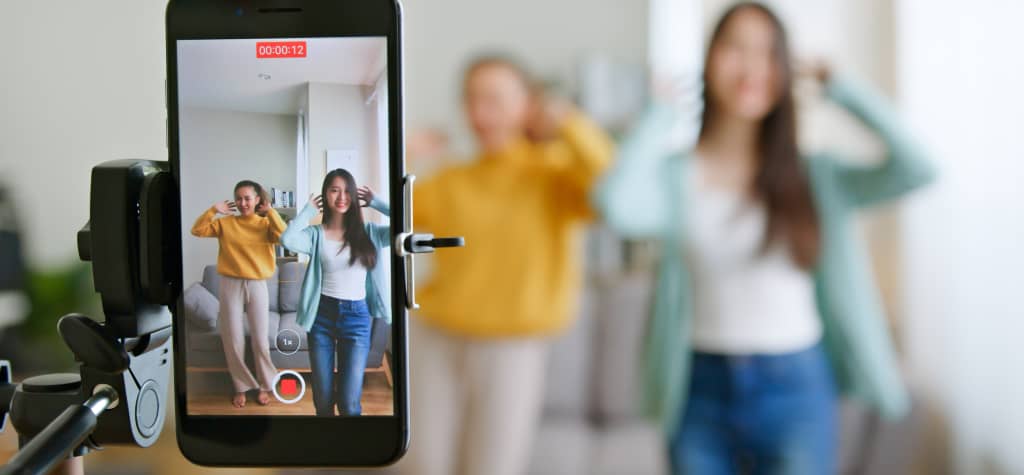
Avoid posting pictures or videos of you exercising, playing sports, hiking, dancing, lifting objects, or engaging in any strenuous physical activity. If you’re claiming injuries that limit your mobility or cause chronic pain, defense attorneys will use active photos to argue you’re exaggerating your injuries. Even if the photo shows a rare good day or modified activity, it creates doubt about the severity of your condition.
Travel Content and Vacation Photos
If you’re navigating a personal injury claim, it’s best to avoid sharing content from trips. This includes vacation check-ins, airport selfies, beach photos, or any content showing you traveling or enjoying leisure activities.
Travel posts suggest you’re physically and financially comfortable, which undermines claims of lost wages, pain and suffering, or limitations on daily activities. Insurance companies can argue that if you can vacation, you’re not truly suffering.
“I’m Fine” or Optimistic Health Updates
Status updates saying “feeling great,” “back to normal,” “couldn’t be better,” or any language suggesting you’ve recovered or aren’t experiencing pain can hurt your personal injury case. These statements directly contradict injury claims and can be quoted verbatim in depositions and court. Even if you’re putting on a brave face or having one good day among many bad ones, these posts become permanent evidence against you.
Location Check-Ins and Tagged Locations
Be wary of social media content that provides your location or whereabouts. Resist checking in at restaurants, gyms, concerts, stores, offices, or any public venues. Location data creates a timeline of your activities that can contradict testimony about your limitations. A check-in at a gym contradicts mobility restrictions. A concert check-in undermines claims of sensitivity to noise or crowds.
Tagging Friends or Being Tagged in Photos
Tagging others in photos or allowing friends to tag you in their content can be risky for your personal injury case, even if the photo seems harmless. The reality is this: A friend might tag you in a group photo at an event you attended briefly before leaving in pain, but the defense can present it as evidence that you’re socially active and unharmed.
Accepting Friend or Follow Requests from Strangers
When it comes to expanding your social media reach, be cautious with this as well. Don’t accept connection requests from people you don’t know personally, especially during an active personal injury case. Insurance companies and defense teams regularly create fake profiles or hire investigators to gain access to your social media content. Once they’re connected to your account, they can screenshot everything, including posts you think are private or limited to friends only.
Discussing the Accident, Your Injuries, or Your Case
If you’ve suffered an accident and filed a personal injury claim, keep that information as private as possible. Don’t share any details about how the accident happened, who was at fault, your injuries, your treatment, your attorney’s strategy, or how your case is progressing.
Statements about the accident can be used to establish liability against you. Discussing injuries or treatment online creates inconsistencies with medical records. Plus, complaining about the legal process can make you seem uncooperative or dishonest.
Our compassionate personal injury lawyers are prepared to help you navigate the emotional, complicated elements of your personal injury claim. Resist venting to the internet about your situation and lean on your trusted lawyer at Bowman Law.
Deleting Posts or Deactivating Accounts
Being careful about using your social media accounts is crucial to protect your case, but that doesn’t mean you should delete existing posts, remove photos, or deactivate your social media accounts after an accident or once you’ve filed a claim. Deleting content is considered “spoliation of evidence“: intentionally destroying evidence relevant to a legal case.
This can result in serious legal consequences, including sanctions, fines, or even having your case dismissed. Courts can instruct juries to assume deleted content was harmful to your case.
Complaining About Attorneys, Insurance Companies, or the Legal Process
If you’re not happy with the legal proceedings for your case, avoid posting negative comments about your lawyer, frustrations with insurance adjusters, complaints about how long your case is taking, or criticisms of the legal system. These posts can be used to paint you as difficult, ungrateful, or unreliable. Defense attorneys will argue that if you’re frustrated with your own legal team, perhaps your claim lacks merit. Posts about insurance companies can also be presented as evidence that you’re motivated by money rather than genuine harm.
Bowman Law’s personal injury attorneys can guide you through the complicated legal systems during personal injury cases, including insurance considerations.
Read More: Questions About Bodily Injury Insurance? We Have You Covered
Posting About Settlements, Money, or Financial Windfalls
It’s best to resist mentioning settlement offers, expecting compensation, plans for what you’ll do with settlement money, or celebrating a case resolution on social media before it’s completely finalized.
Posts about expected money suggest you’re motivated by financial gain rather than genuine injuries. Discussing settlements can violate confidentiality agreements, and celebrating prematurely can jeopardize ongoing negotiations or appeals.
What You Can Do: Safe Social Media Practices During Your Case
Protecting your personal injury case doesn’t mean completely disconnecting from the digital world. Here are practical alternatives that let you stay connected on social media while safeguarding your claim:
- Adjust Your Privacy Settings: Set all accounts to maximum privacy, limiting who can see your posts, photos, and profile information. But remember: “private” doesn’t mean invisible, and content can still be subpoenaed or accessed through mutual connections.
- Pause Posting Altogether: The safest option is to simply stop posting during your case. You can still browse and consume content without creating evidence against yourself.
- Inform Friends and Family: Ask loved ones not to tag you in posts or photos and to avoid posting about you, your accident, or your recovery. Explain that even well-meaning posts can harm your case.
- Think Before You Share: If you must post, ask yourself: “Could this be misinterpreted by someone trying to minimize my injuries?” If there’s any doubt, don’t post it.
- Document Carefully: Instead of posting updates about your recovery, maintain a private journal or send updates directly to your attorney. This creates a protected record without public exposure.
Before posting anything you’re unsure about, contact your personal injury lawyer. We’d rather answer a quick question than see evidence that damages your case.
The Social Media Impact on Personal Injury Claims Beyond Your Account
Your social media activity is not the only account you should pay attention to while you’re navigating a claim. The risks of social media on personal injury cases extend to content posted by others, too:
- Witness Statements: Defense teams will examine the social media accounts of witnesses to find inconsistencies or credibility issues.
- Third-Party Photos: Friends, family members, or even strangers might post photos or videos that include you. These can surface during discovery even if you never posted them yourself.
- Public Records and Reviews: Restaurant check-ins, business reviews, or comments on public posts can all be used as evidence of your activities and capabilities.
- Geolocation Data: Even if you don’t post, apps and services may be tracking your location. Defense attorneys can subpoena this data to contradict claims about your limitations.
The bottom line is, assume everything connected to you online can and will be found and scrutinized.
How Long Should You Avoid Social Media After an Accident?
Many clients wonder how long these restrictions last after an accident. The answer depends on your personal injury case timeline:
- From Accident to Settlement: At minimum, follow these guidelines from the moment of your accident until your case fully settles or resolves through trial. This typically ranges from six months to two years or more.
- During Appeals: If either party appeals the verdict, restrictions continue throughout the appeals process.
- After Settlement: Once your case concludes and all agreements are signed, you can gradually resume normal social media use. However, avoid posting about the settlement itself if confidentiality clauses apply.
When in doubt, check with your attorney before resuming regular posting. We’ll let you know when it’s safe to return to your usual social media habits.
Read More: How to Avoid Other Personal Injury Case Mistakes
Why Bowman Law Understands What to Avoid Posting After an Accident
At Bowman Law, our personal injury attorneys can help you prevent your personal injury case from being affected by social media evidence. We know how defense teams weaponize online content and how insurance companies train investigators to scour online profiles. This experience helps us provide clear, proactive guidance to protect your claim from day one.
We’re committed to supporting you through complicated legal waters, which includes outlining specific, actionable steps you can take. Our approach combines compassionate support with strategic legal guidance to ensure you get the damages you’re owed, while minimizing risks.
If you’ve been injured because of someone else’s negligence, you deserve full compensation for medical expenses, lost wages, pain and suffering, and other related costs. Don’t let a social media mistake jeopardize your recovery and your future.
Read More: Download our Personal Injury Claims Guide
Frequently Asked Questions About Social Media and Personal Injury Claims
Can insurance companies see my private social media accounts?
While your privacy settings offer some protection, insurance companies can still access “private” content through legal discovery processes. They can subpoena social media records, request content during depositions, and gain access through mutual connections or investigator accounts. Additionally, anything shared with friends can be screenshot and shared. Privacy settings are not a guarantee of privacy during a legal case.
What if I already posted something before reading this advice?
Don’t panic, and don’t delete the post. Deletion can cause more harm than the original content. Instead, immediately contact your personal injury attorney. We can assess the potential impact, develop strategies to contextualize the content, and advise whether you should adjust your privacy settings or take other protective measures. Early intervention often minimizes damage.
Should I delete my social media accounts during my case?
No. Deleting or deactivating accounts after an accident or lawsuit filing is considered spoliation of evidence and can result in serious legal consequences, including sanctions, fines, or case dismissal. Courts may instruct juries to assume deleted content was damaging to your case. Instead, simply stop posting new content and maximize your privacy settings. Keep all existing content intact and inform your attorney about your social media presence so we can proactively address any concerns.
How long should I avoid social media after an accident?
You should follow social media precautions from the moment of your accident until your case fully resolves. If your case goes to trial or enters appeals, restrictions continue throughout that process. Once your settlement is finalized and all agreements are signed, your attorney will let you know when it’s safe to resume normal social media activity. Until then, the safest approach is to avoid posting entirely.
Are private messages and DMs considered social media evidence?
Yes. Private messages, direct messages, and even “disappearing” content on platforms like Instagram and Snapchat can be subpoenaed and used as evidence. Courts have consistently ruled that private digital communications are discoverable in legal proceedings. Messages discussing your accident, injuries, activities, or emotional state can all be obtained by defense attorneys. Assume that any digital communication, no matter how private it seems, could potentially become evidence in your case.

Jerry Bowman
Owner and Managing Attorney
Jerry Bowman, J.D., M.A., Owner and managing attorney of Bowman Law LLC, takes his responsibility to the legal profession seriously and dedicates his time and effort to providing quality and competent legal representation to clients in Denver and throughout all of Colorado. He holds an MA in Political Science from Wayne State University and earned his law degree in two and a half years from Michigan State University College of Law.
