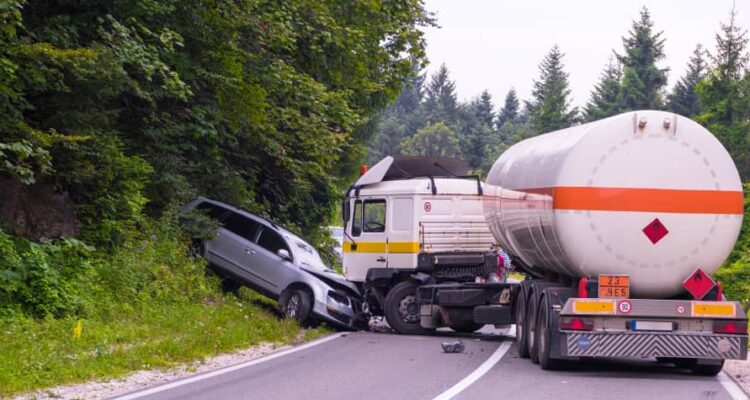
Do winter driving conditions on I-70 make ski traffic accidents unavoidable? No. Winter driving challenges in Colorado, particularly on I-70 during ski season, do not make accidents unavoidable and do not excuse unsafe driving.
This is one of the most common questions drivers ask after a winter accident in the mountains. It usually comes after an insurance adjuster suggests the accident was “just the weather” or that no one could have prevented it. It often comes before injured drivers even consider whether fault can be proven.
The reality is more nuanced. Snow, ice, and limited visibility increase risk, but they do not eliminate responsibility. Colorado law does not treat winter storms as free passes for dangerous driving. Instead, winter conditions raise the standard of care required of every driver on the road.
That distinction matters. Many I-70 ski traffic accidents happen not because conditions were extreme, but because drivers failed to adapt to conditions they knew or should have known were present. Traveling too fast for conditions. Following too closely in heavy traffic. Driving with inadequate tires. Braking late on downhill grades. Each of these choices can turn a manageable winter drive into a serious crash.
After a collision on I-70, injured drivers often feel defeated before they even ask questions. They assume the weather caused the crash or that fault cannot be proven. They assume insurance companies are correct when they say no one could have prevented it.
Those assumptions are common. They are also often wrong.
Colorado law does not suspend responsibility during snowstorms. Winter road conditions in Colorado increase danger, but they also increase the care drivers are legally required to use. When drivers ignore that obligation, winter weather does not shield them from accountability.
This article explains why Colorado winter driving accidents occur on I-70, how ski traffic magnifies risk, and how fault is evaluated after a winter crash, even when weather plays a role.
Winter Driving Challenges are Amplified on I-70
Winter driving challenges in Colorado exist statewide, but they are especially severe on I-70. This corridor carries heavy ski traffic between Denver and mountain resorts throughout the winter. Drivers encounter steep grades, sharp curves, tunnels, shaded stretches, and rapidly changing elevation. These conditions cause ice to form even when nearby roads appear clear.
Weather on I-70 changes fast. A drive that begins on dry pavement near Denver can turn dangerous near Floyd Hill, Georgetown, the Eisenhower Tunnel, Vail Pass, or Dowd Junction. Snow squalls, high winds, and sudden whiteout conditions are common. These are known hazards, not surprises.
Ski traffic adds congestion and unpredictability. Many drivers are visitors from warmer climates. Some have never driven on packed snow or black ice. Others rely too heavily on all-wheel drive and underestimate stopping distance. Rental vehicles often come equipped with tires that are poorly suited for winter road conditions in Colorado.
When traffic volume increases and conditions deteriorate, small driving errors escalate quickly. That is why Colorado winter car accidents spike on I-70 during ski season.
Driver Decisions Cause Most I-70 Winter Accidents
Despite what insurance companies often suggest, most Colorado winter driving accidents are not caused by snow alone. They are caused by decisions drivers make in response to winter conditions.
Speed remains the most common factor. Many drivers travel too fast for conditions even when they remain below the posted speed limit. Under Colorado law, that still qualifies as unsafe speed. A speed that feels reasonable on dry pavement becomes dangerous when traction drops.
Following too closely is another frequent cause of ski traffic accidents. Drivers cluster together during heavy traffic and fail to increase following distance. Snow and ice dramatically increase stopping distance. When one vehicle brakes or slides, chain-reaction collisions often follow.
Drivers frequently say they lost control because they hit ice. Ice may explain the moment a skid begins, but it does not end the analysis. Investigators look at what happened before the loss of control. They examine speed, lane changes, braking behavior, and awareness of winter road conditions in Colorado.
Common contributing factors in I-70 winter crashes include:
- Driving too fast for snow or ice
- Following too closely in heavy ski traffic
- Sudden braking or aggressive lane changes
- Failure to slow for downhill grades
- Inattention during deteriorating weather
When these factors are present, winter weather does not excuse negligence.
Vehicle Equipment, Traction Laws, and Travel Risks
Vehicle condition plays a major role in winter driving challenges in Colorado, especially on I-70. Tires are the single most important safety factor in winter driving. Worn tread reduces grip. Summer tires harden in cold temperatures and lose effectiveness. Improper tire pressure further reduces traction.
Colorado enforces traction laws during winter storms, particularly on I-70 and other mountain corridors. These laws require drivers to meet minimum traction standards so vehicles can stop, steer, and maintain control.
Depending on conditions, drivers may need:
- Tires with adequate tread depth
- Snow tires or approved traction devices
- Four-wheel or all-wheel drive with proper tires
These requirements exist because failure to meet them causes preventable crashes. Rental vehicles used by ski visitors often fail to meet traction standards, and drivers are frequently unaware of that fact. That failure can become a central issue in Colorado winter car accident claims.
Even when no citation is issued, failure to comply with traction laws can support fault in a civil injury case. Civil liability does not depend on whether a ticket was written. It depends on whether the driver acted reasonably under known winter road conditions in Colorado.
How Fault is Evaluated After an Accident on I-70
After a winter accident along I-70, insurance companies often claim it was unavoidable due to weather. They frame ski traffic accidents as acts of nature rather than preventable events. This narrative benefits insurers, not injured people.
Colorado law takes a different approach. Winter conditions increase the duty of care. Drivers must slow down, leave more space, remain alert, and ensure their vehicles are properly equipped. Fault is evaluated based on the totality of the circumstances, not the presence of snow alone.
When evaluating I-70 winter crashes, insurers and courts look at:
- Speed relative to conditions
- Following distance and traffic density
- Tire condition and traction compliance
- Driver experience and awareness
- Decisions made before the collision occurred
Commercial vehicles face even higher expectations. Trucks traveling on I-70 during winter must monitor forecasts, adjust routes, and delay travel when conditions become unsafe. Many serious Colorado winter driving accidents involve commercial vehicles that should not have been on the road during severe storms.
Some crashes also involve snowplows or roadway maintenance issues. These cases are more complex and may involve government entities, strict notice deadlines, and limits on damages. Early investigation is critical when road conditions or maintenance contribute to a collision.
Winter Challenges Do Not Eliminate Liability on I-70
Winter driving challenges in Colorado are real, especially on I-70 during ski season. Drivers know this. The law expects them to respond with caution and care.
When drivers fail to slow down, follow too closely, ignore traction laws, or travel without proper equipment, they can still be held responsible for ski traffic accidents and winter crashes. Weather explains risk. It does not erase accountability.
If you were injured in a Colorado winter driving accident on I-70, confusion and frustration are normal. Determining fault requires a careful review of driver behavior, vehicle condition, and decisions made before the crash, not just the weather at the moment of impact.
Winter road conditions in Colorado demand respect. Responsibility still applies.
If you have suffered an accident injury and are considering injection therapy, our attorneys understand the importance of documenting advanced medical care and its impact on both recovery and case value. Unpredictable winter conditions create a heightened risk of severe accidents and resulting injuries. Contact our office today to speak with experienced injury lawyers who will protect your rights and ensure you receive the medical care and settlement compensation you deserve.
Our legal team is committed to fighting for those whose lives have been disrupted by injury and pain — and we are here to help you rebuild. Contact the top-rated personal injury law firm in Colorado to get a free consultation with one of our car accident attorneys. We serve Colorado including Denver, Colorado Springs, Boulder, and Fort Collins.


 Return to All News & Resources